
⚡ Why Solar Leads the Renewable Revolution

Nov 28, 2025 8 mins read

Renewable energy is reshaping the global power landscape, and among all sources, solar energy stands at the forefront. With falling costs, scalable technology, and strong policy support, solar has become the most accessible and impactful renewable option for households, businesses, and governments.
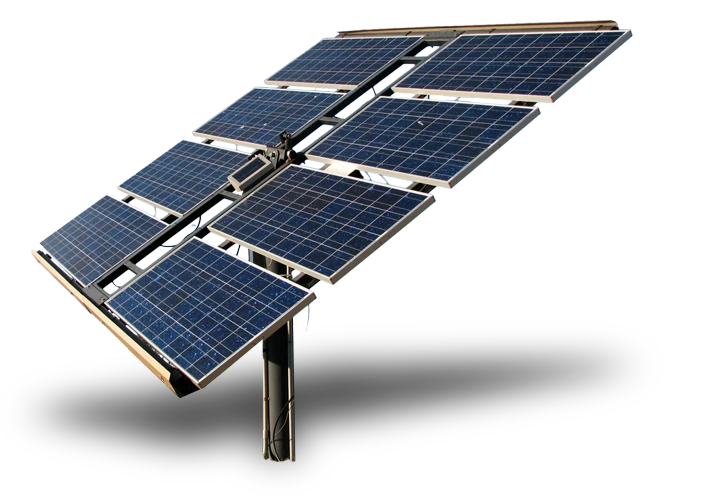
⚡ Why Solar Leads the Renewable Revolution
Business

⚡ Why Solar Leads the Renewable Revolution

Renewable energy is reshaping the global power landscape, and among all sources, solar energy stands at the forefront. With falling costs, scalable technology, and strong policy support, solar has become the most accessible and impactful renewable option for households, businesses, and governments.


⚡ Why Solar Leads the Renewable Revolution

  • 1. Cost Competitiveness
  • Solar panel prices have dropped by over 80% in the past decade.
  • Rooftop solar systems in India now deliver electricity at ₹2.5–₹4 per unit, cheaper than grid tariffs.

2. Scalability and Accessibility

  • Solar can be deployed on rooftops, carports, factories, and even rural microgrids.
  • Unlike wind or hydro, solar doesn’t require large land or water resources, making it more versatile.

3. Policy and Incentives

  • India’s PM Surya Ghar scheme provides subsidies for residential solar adoption.
  • Corporate tax benefits like accelerated depreciation make solar attractive for businesses.

4. Technological Advancements

  • High-efficiency panels (mono PERC, TOPCon, and bifacial) deliver more power in less space.
  • Smart inverters and battery storage ensure reliability and backup during outages.

5. Environmental Impact

  • Solar energy reduces carbon emissions and air pollution instantly.
  • A 5 kW rooftop system offsets ~6 tons of CO₂ annually, equivalent to planting 100+ trees.

6. Energy Independence

  • Solar + storage systems empower homes and businesses to reduce reliance on unstable grids.
  • Distributed generation strengthens resilience against blackouts and rising tariffs.
 

🇮🇳 India’s Context

  1. India aims for 500 GW of renewable capacity by 2030, with solar expected to contribute nearly 60%.
  2. Smart cities like Pune, Bengaluru, and Jaipur are integrating solar rooftops into urban planning.
  3. Rural areas benefit from solar microgrids, powering schools, clinics, and small businesses sustainably.
 

📈 Benefits of Solar Over Other Renewables

FactorSolar EnergyWind EnergyHydropower
Cost per unit₹2.5–₹4₹3–₹5₹4–₹6
ScalabilityRooftops, small & largeLarge farms onlyLarge dams only
ReliabilityDaytime + storageSeasonal windWater availability
AccessibilityUrban & ruralRemote areasLimited to rivers


Share
Image NewsLetter
Icon primary
Newsletter

Subscribe our newsletter

By clicking the button, you are agreeing with our Term & Conditions