
Blockchain provides a secure, decentralized ledger that records transactions in real time. In the solar sector, this technology ensures transparency, efficiency, and accountability in how energy is generated, traded, and consumed.
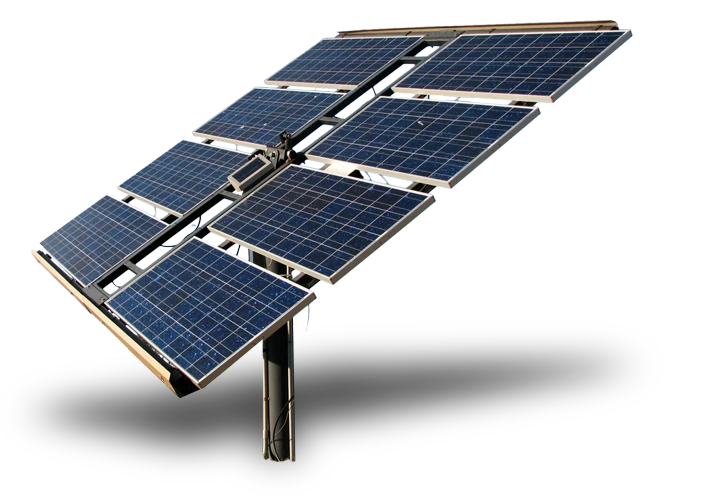
Blockchain provides a secure, decentralized ledger that records transactions in real time. In the solar sector, this technology ensures transparency, efficiency, and accountability in how energy is generated, traded, and consumed.
| Application | How It Works | Benefits |
|---|---|---|
| Peer-to-Peer (P2P) Energy Trading | Homeowners sell excess solar power directly to neighbors via blockchain | Empowers prosumers, reduces grid dependency |
| Green Credit Tracking | Blockchain verifies and records renewable energy certificates (RECs) | Builds trust, prevents fraud in carbon markets |
| Smart Contracts | Automates billing, subsidies, and settlements | Cuts admin costs, ensures timely payments |
| Grid Management | Decentralized data for load balancing and forecasting | Improves grid stability and planning |
Blockchain is a decentralized ledger system that records transactions securely and transparently. In the solar industry, it’s used to:
| Application | Description | Impact |
|---|---|---|
| P2P Energy Trading | Homeowners or businesses sell excess solar power to neighbors | Reduces grid dependency, empowers prosumers |
| Green Credit Tracking | Real-time verification of renewable energy certificates (RECs) | Boosts trust and compliance in carbon markets |
| Smart Contracts | Automate billing, settlements, and subsidy disbursement | Cuts admin costs and fraud risk |
| Grid Management | Decentralized data for load balancing and forecasting | Enhances grid stability and planning |
India’s renewable energy grid is increasingly integrating blockchain to meet its 500 GW non-fossil fuel target by 2030.
These efforts aim to increase transparency, reduce fraud, and accelerate solar adoption across urban and rural India.
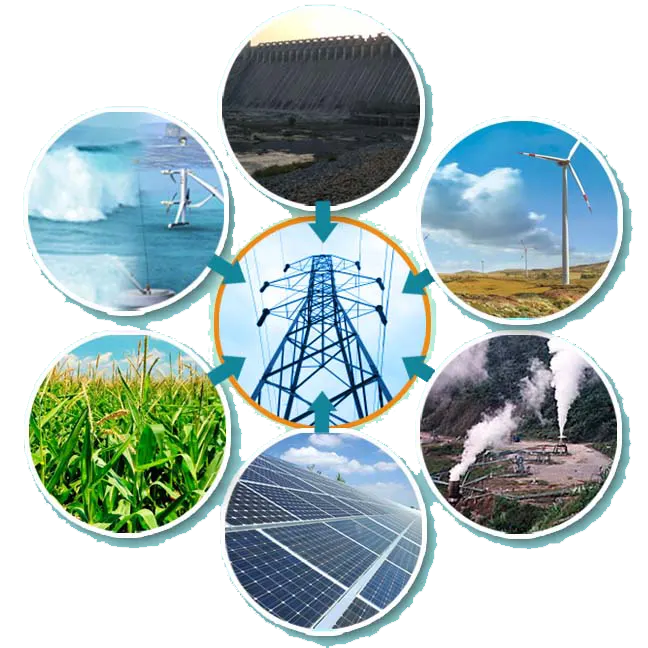
Blockchain is not just a buzzword—it’s a practical tool for solar panel installation tracking, energy trading, and grid modernization. As India scales its solar ambitions, blockchain will play a key role in making the system smarter, fairer, and more efficient.

 Shubham Kumar
May 21, 2025
 Shubham Kumar
May 20, 2025
 Shubham Kumar
May 04, 2025
 Shubham Kumar
Apr 30, 2025
 Shubham Kumar
May 09, 2025


By clicking the button, you are agreeing with our Term & Conditions