Understanding Solar Inverters: The Heart of Solar Power Systems

Nov 07, 2025 15 mins read

The solar inverter converts DC power from PV modules into usable AC for homes and the grid and also performs system management, safety, and monitoring tasks. Choosing the right inverter affects system efficiency, backup capability, and long-term reliability for any solar panel installation.
Understanding Solar Inverters: The Heart of Solar Power Systems
Business

Understanding Solar Inverters: The Heart of Solar Power Systems

Introduction The solar inverter converts DC power from PV modules into usable AC for homes and the grid and also performs system management, safety, and monitoring tasks. Choosing the right inverter affects system efficiency, backup capability, and long-term reliability for any solar panel installation.

 
Business

How Inverters Work

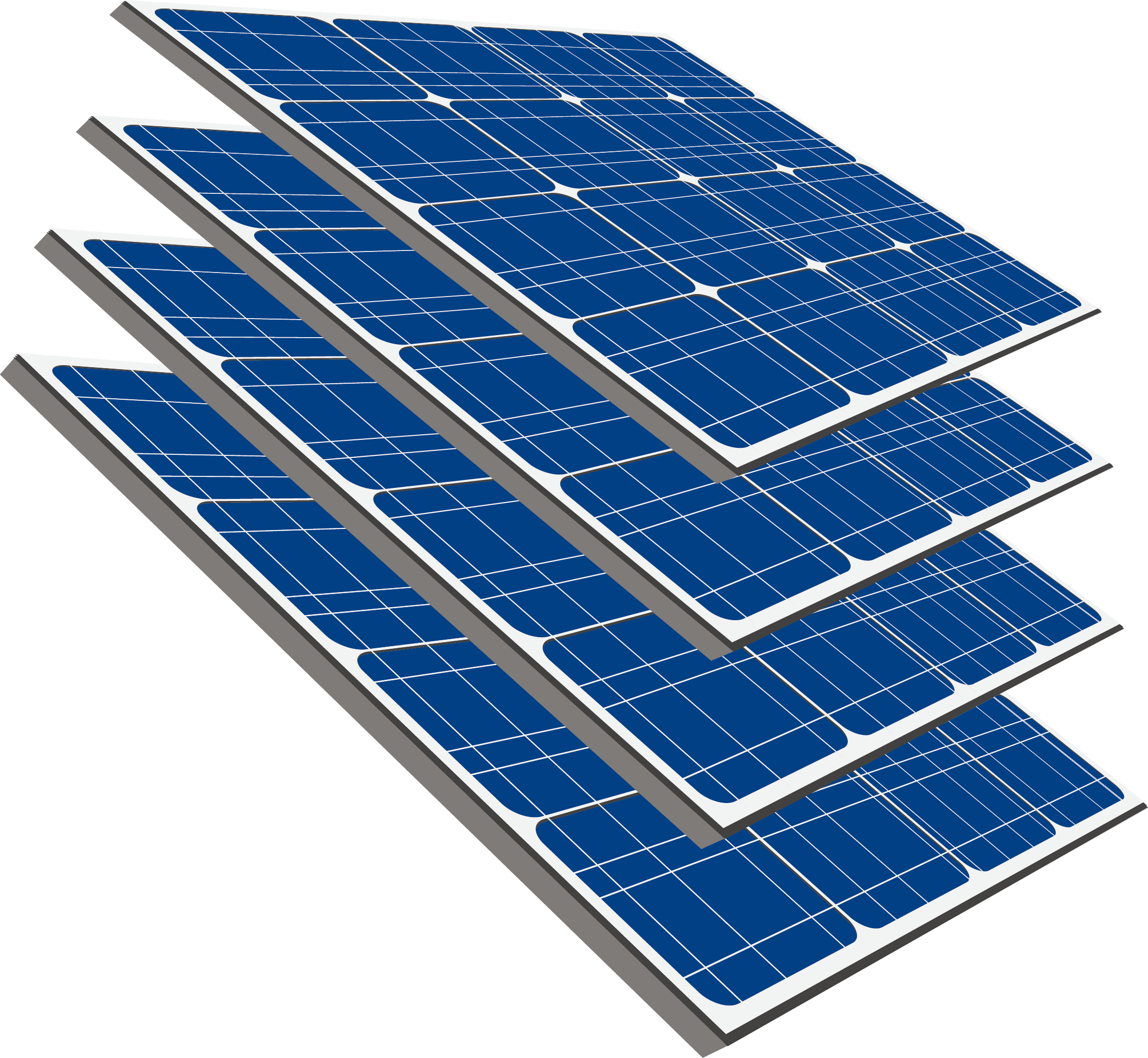
An inverter converts the DC voltage produced by solar panels into AC voltage compatible with household appliances and the grid. Modern inverters also include MPPT (maximum power point tracking) to maximize panel output, safety features like anti‑islanding, and communication interfaces for monitoring and control.
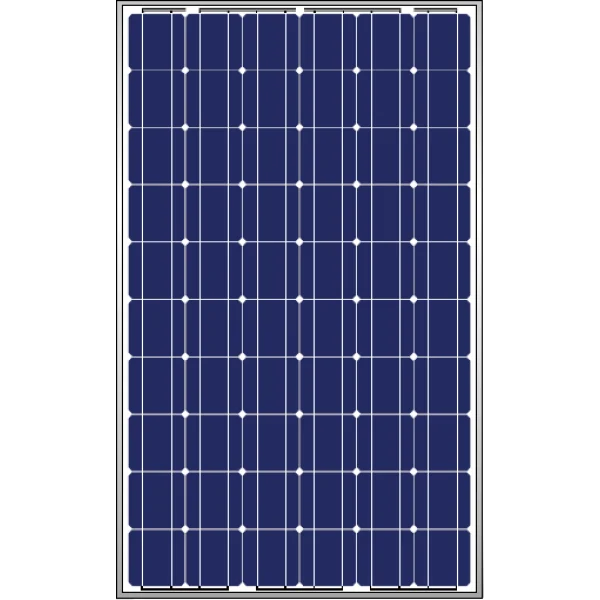
How Inverters Work
 

Main Inverter Types and When to Use Them

  • Grid-Tied (String) Inverters: Best for grid-connected homes without backup batteries; lower cost and high efficiency for exporting surplus energy.
  • Hybrid Inverters: Combine grid-tie functionality with integrated battery management for backup and time-shifted use of solar energy.
  • Off-Grid Inverters: Used where there is no grid; they work with battery banks and require robust charge control and sizing.
  • Microinverters and Power Optimizers: Module-level power electronics that boost yield in shaded or complex roofs by optimizing each panel independently.
 

Key Specs to Compare

  • Continuous and peak power rating: match the inverter kW to the PV array and household loads.
  • Conversion efficiency: higher efficiency preserves more generated energy.
  • MPPT trackers: more trackers help with segmented roofs and shading.
  • Battery compatibility and BMS support: essential for hybrid/off-grid setups and for safe solar battery storage integration.
  • Protection features: anti‑islanding, surge protection, temperature derating, and ingress rating for outdoor use.
 

Sizing an Inverter for Home Systems

  • Size the inverter to handle expected AC loads and the PV array; modest oversizing of PV relative to the inverter (AC coupling strategy) can increase yield, but check manufacturer limits.
  • Factor in surge loads (such as motors and pumps) and the possibility of future battery retrofits when selecting inverter capacity.
 
Safety, Standards, and Local Support
Business

Safety, Standards, and Local Support

Prioritize inverters that meet international safety and grid‑interconnection standards and offer robust local service and spare‑parts availability. In India, local support and warranty service are major buying considerations because aftermarket support affects long-term uptime and warranty claims.

 
Business

India Market Notes and Trends

Most consumer buying guides highlight efficiency, MPPT, and safety as top selection criteria and list popular inverter models for homes and small businesses in 2025. There is also momentum for domestic alternatives and energy‑intelligence platforms aimed at reducing dependence on foreign hardware and retaining operational data locally.
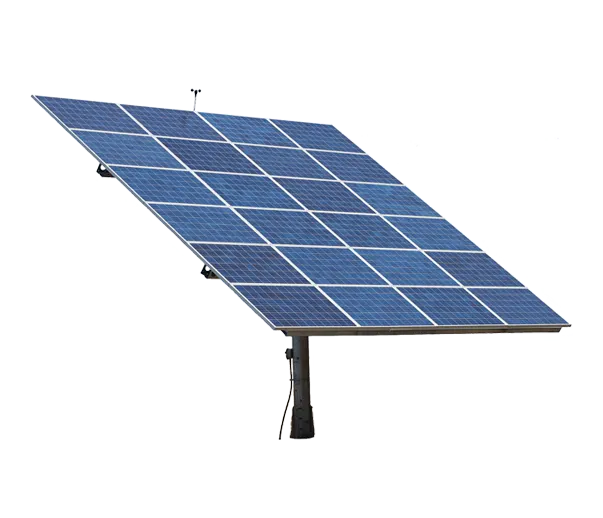
India Market Notes and Trends
 

Buying Tips and Practical Checklist

Match inverter topology (grid‑tie, hybrid, or off‑grid) to your system goals (net metering, backup, or independence).

  • Check the MPPT count and efficiency curve at real operating voltages.
  • Verify battery chemistry and BMS compatibility for hybrid systems and solar battery storage.
  • Ask about warranty terms, local service footprint, and availability of spare parts.

Consider brands and models recommended in current market roundups and reviews when comparing real-world reliability and features.

 

Recommended Use Cases

  • Urban home with grid connection and no backup: grid‑tie inverter.
  • Home needing backup during outages: a hybrid inverter paired with a battery bank.
  • Remote property: off‑grid inverter sized with sufficient battery autonomy.
  • Shaded or complex rooftop: microinverters or optimizers to protect module‑level performance
Share
Image NewsLetter
Icon primary
Newsletter

Subscribe our newsletter

By clicking the button, you are agreeing with our Term & Conditions