
The scientific basis for solar energy began with 19th-century discoveries: Becquerel observed the photovoltaic effect in 1839, and the first selenium cells appeared in the late 1800s, laying the groundwork for modern photovoltaics. Early solar thermal collectors and experimental PV devices proved the concep
The scientific basis for solar energy began with 19th-century discoveries: Becquerel observed the photovoltaic effect in 1839, and the first selenium cells appeared in the late 1800s, laying the groundwork for modern photovoltaics. Early solar thermal collectors and experimental PV devices proved the concept but were not yet economical for widespread use.
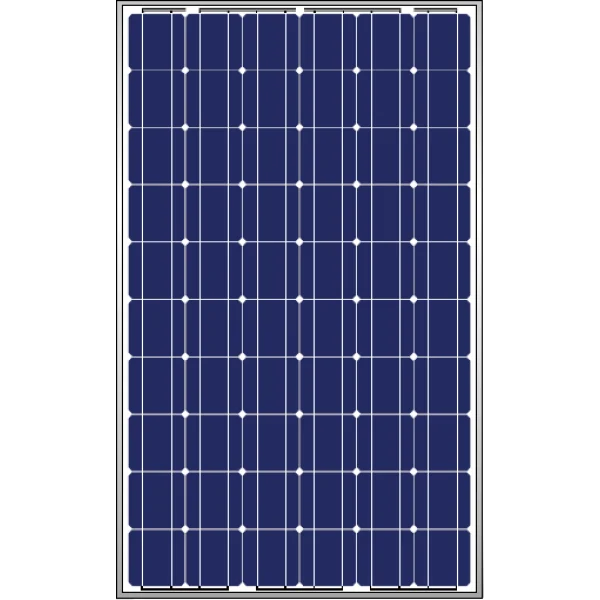
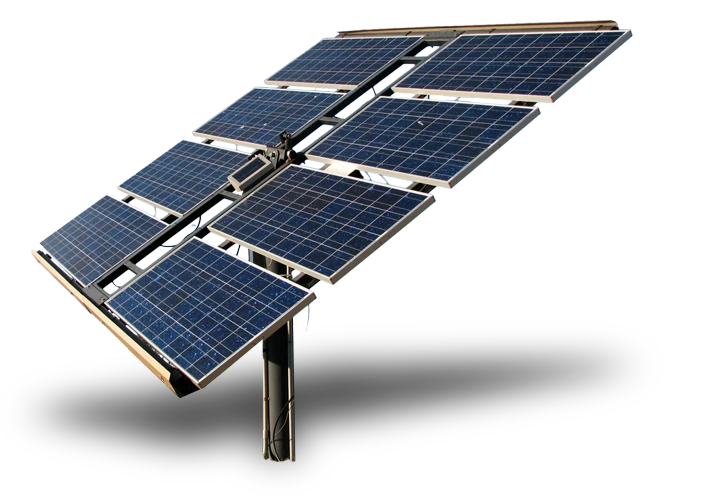
Wartime and postwar advances in semiconductor physics produced the first practical silicon solar cells in the 1950s, which powered space missions and niche applications. These early cells were expensive but established the feasibility of converting sunlight directly into electricity.
From the 1970s through the early 2000s, improvements in silicon processing, cell architecture (including PERC and multi-crystalline growth), and mass manufacturing drove steady efficiency gains and cost reductions. Policy incentives, research funding, and economies of scale accelerated adoption worldwide and prepared the market for rooftop and utility-scale deployments.
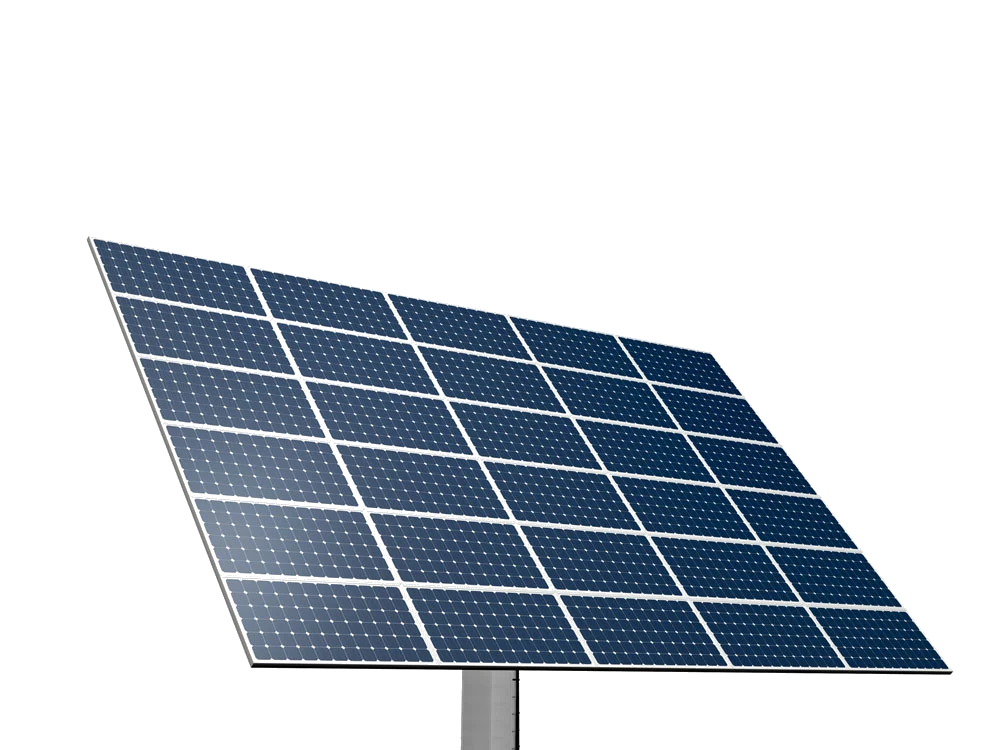
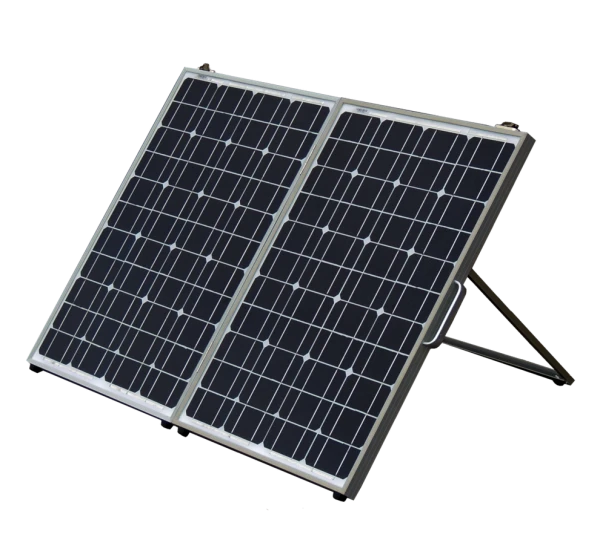
India’s modern solar trajectory began to gain policy focus in the early 2000s, with structured programs and targets introduced to expand renewable capacity. Over the last two decades, solar shifted from experimental installations to large-scale deployment and ambitious

Modern module technologies (monocrystalline PERC, half-cut cells, bifacial modules) and balance-of-system innovations (MPPT controllers, string-level power electronics, lithium-ion battery packs) unlocked higher yields, lower BOS costs, and better integration with buildings and storage. These advancements underpin affordable solar panel installation for households and commercial projects.
Lifecycle analyses show that despite manufacturing footprints, solar systems typically repay embodied energy within a few years and then deliver decades of low-carbon electricity. Falling solar panel prices, improved warranties, and financing options have shortened payback periods and expanded access to residential and community solar projects.


India’s policy ambition and manufacturing pushes aim to meet growing demand and strengthen the domestic supply chain, positioning the nation to hit bold deployment targets by 2030. Globally, continued R&D in perovskites, tandem cells, recycling, and grid-smart integration will shape the next wave of adoption and sustainability improvements.

 Shubham Kumar
May 21, 2025
 Shubham Kumar
May 20, 2025
 Shubham Kumar
May 04, 2025
 Shubham Kumar
Apr 30, 2025
 Shubham Kumar
May 09, 2025


By clicking the button, you are agreeing with our Term & Conditions