🌍 Solar vs. Traditional Energy Sources: Environmental Perspectives

Oct 21, 2025 9 mins read

India’s energy sector is at a crossroads. While traditional sources like coal and diesel still dominate, solar energy is rapidly emerging as a cleaner, more sustainable alternative. This shift isn’t just about cost—it’s about environmental impact. Let’s explore how solar panel installation compares to conventional power generation from an ecological standpoint.
Business

🌍 Solar vs. Traditional Energy Sources: Environmental Perspectives

Introduction: Clean Energy vs. Carbon Legacy India’s energy sector is at a crossroads. While traditional sources like coal and diesel still dominate, solar energy is rapidly emerging as a cleaner, more sustainable alternative. This shift isn’t just about cost—it’s about environmental impact. Let’s explore how solar panel installation compares to conventional power generation from an ecological standpoint.

🌍 Solar vs. Traditional Energy Sources: Environmental Perspectives

🔋 Traditional Energy: The Environmental Toll

1. Air Pollution

  • Coal-fired plants supply ~72% of India’s electricity, emitting COâ‚‚, SOâ‚‚, NOâ‚“, and particulate matter.
  • Diesel generators used during outages release toxic smoke and greenhouse gases.

2. Water Usage

  • Thermal plants consume vast amounts of water for cooling, affecting local ecosystems.
  • Risk of water contamination from ash ponds and chemical discharge.

3. Land Degradation

Mining for coal and oil destroys habitats and displaces communities.

Infrastructure like pipelines and transmission lines fragments landscapes.

4. Climate Impact

  • Fossil fuels are the largest contributors to India’s carbon emissions.
  • Rising temperatures and erratic weather patterns are linked to energy-related pollution.
 

🌞 Solar Energy: The Sustainable Alternative

1. Zero Emissions

  • Solar panels generate electricity without combustion—no direct COâ‚‚ or air pollutants.
  • Cleaner air benefits public health and biodiversity.

2. Minimal Water Use

  • Solar farms require little to no water, especially compared to thermal plants.
  • Floating solar farms even help reduce reservoir evaporation.

3. Land Optimization

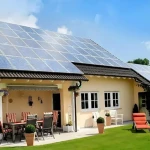
  • Rooftop solar systems for houses utilize existing space.
  • Agri-solar models allow dual land use for farming and energy.

4. Climate Resilience

  • Solar energy helps India meet its net-zero goals by reducing reliance on fossil fuels.
  • Supports decentralized, grid-independent power in disaster-prone areas.
 

đź’° Cost & Efficiency Comparison

AspectTraditional EnergySolar Energy
EmissionsHigh (COâ‚‚, SOâ‚‚, NOâ‚“)Zero direct emissions
Water UsageHighMinimal
Land ImpactDestructive miningRooftop or dual-use land
Cost per kWh₹5–₹30 (coal/diesel)₹2.5–₹5 (solar rooftop)
Long-Term ViabilityDecliningIncreasing


🏭 Indian Manufacturers Leading the Shift

Top solar panel manufacturers in India are driving clean energy adoption:

  • Waaree Energies—High-efficiency panels for homes and farms
  • Adani Solar – Utility-scale solar parks and floating systems
  • Tata Power Solar – Smart solar kits with battery storage
  • Vikram Solar – Bifacial and thin-film innovations
 
Share
Image NewsLetter
Icon primary
Newsletter

Subscribe our newsletter

By clicking the button, you are agreeing with our Term & Conditions