🌍 Solar-Powered Emergency Kits: Essentials for Preparedness
Nov 19, 2025
13 mins read
Disasters and emergencies often strike without warning, cutting off access to electricity and clean water. Solar-powered emergency kits provide a sustainable, portable solution—ensuring communities and households have reliable energy when it matters most.
Business
🌍 Solar-Powered Emergency Kits: Essentials for Preparedness
Disasters and emergencies often strike without warning, cutting off access to electricity and clean water. Solar-powered emergency kits provide a sustainable, portable solution—ensuring communities and households have reliable energy when it matters most.
What a Good Solar Emergency Kit Should Include
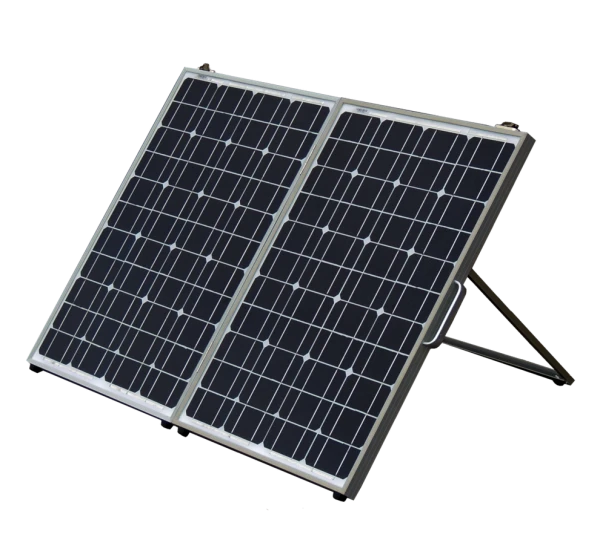
- Solar panel (foldable or rigid) sized 10–100 W, depending on needs.
- Battery pack (lithium preferred) with 10–100+ Wh capacity for phone charging and lights.
- Charge controller to protect the battery and equipment.
- AC/DC/USB outputs for phones, radios, small fans, LED lights, and medical devices.
- LED lanterns and emergency bulbs for efficient lighting.
- Inverter (optional) if you need to run small AC appliances.
- Durable case and weatherproofing for rapid deployment and outdoor use.
- Basic accessories: cables, a mounting stake or stand, fuses, and a user manual.
Choosing the Right Kit for Your Use Case
- Personal kit for families: 10–50W panel, 20–100Wh battery, 2–4 USB/LED outputs for phones and lights.
- Community or shelter kit: 100 W+ panels, 500 Wh–2 kWh battery bank, AC inverter, multiple lighting points, and fast-charge ports.
- Medical/critical kit: reliable pure‑sine inverter, redundant battery capacity, and dedicated outputs for refrigerators or oxygen devices.
- Portable travel/camping kit: ultra‑light 10–30 W foldable panel with integrated battery and torch functions.
Deployment and Use Best Practices
- Pre-position kits in community centres, schools, and shelters for quick access.
- Train local volunteers on safe operation, charging protocols, and basic troubleshooting.
- Rotate and test kits quarterly to ensure that batteries remain healthy and connectors function properly.
- Keep panels clean and shaded‑free for maximum generation; store in a cool, dry place when not in use.
- Use energy-efficient appliances (LEDs, DC fans) to extend runtime.
💡 Core Components of Solar Emergency Kits
- Solar Panels (Portable/Foldable): Compact panels that charge batteries and devices even in remote areas.
- Battery Storage: Power banks or lithium-ion packs to store energy for nighttime use.
- LED Lighting: Solar lanterns and lamps for safe illumination during outages.
- Water Purification Systems: Solar-powered RO or UV filters to ensure clean drinking water.
- Communication Tools: Solar chargers for phones, radios, and GPS devices to stay connected.
- Medical Support: Solar-powered refrigeration for vaccines and medicines in relief camps.
- Cooking Solutions: Solar cookers or induction units powered by stored solar energy.
⚡ Benefits of Solar Emergency Kits
- Reliability: Provides immediate power when grids fail.
- Portability: Lightweight and easy to deploy in disaster zones.
- Sustainability: Reduces reliance on diesel generators and cuts emissions.
- Cost-effectiveness: Saves on fuel logistics during relief operations.
- Resilience: Strengthens preparedness for floods, earthquakes, and cyclones.
🇮🇳 India’s Context
- India’s disaster-prone regions (Odisha cyclones, Assam floods, and Himalayan earthquakes) highlight the need for solar-powered relief solutions.
- NGOs and startups are deploying solar emergency kits in rural and coastal areas.
- Government initiatives are exploring the integration of solar kits into national disaster management frameworks.
Maintenance and Longevity
- Battery care: follow manufacturer charging cycles; avoid deep discharges; replace after rated cycle life.
- Panel care: clean with a soft cloth and water; inspect for cracks and loose connectors.
- Controller and inverter: check firmware or indicator LEDs and replace fuses promptly.
- Spare parts: keep extra cables, fuses, and bulbs with each kit.

 Shubham Kumar