🌍 Solar-Powered Charging Stations Facilitating Sustainable Mobility
Nov 20, 2025
11 mins read
As electric vehicles (EVs) gain traction, the demand for reliable charging infrastructure is surging. Solar-powered charging stations offer a clean, decentralized, and cost-effective solution, aligning with India’s renewable energy and mobility goals.
Business
🌍 Solar-Powered Charging Stations Facilitating Sustainable Mobility
As electric vehicles (EVs) gain traction, the demand for reliable charging infrastructure is surging. Solar-powered charging stations offer a clean, decentralized, and cost-effective solution, aligning with India’s renewable energy and mobility goals.
💡 How Solar Charging Stations Work
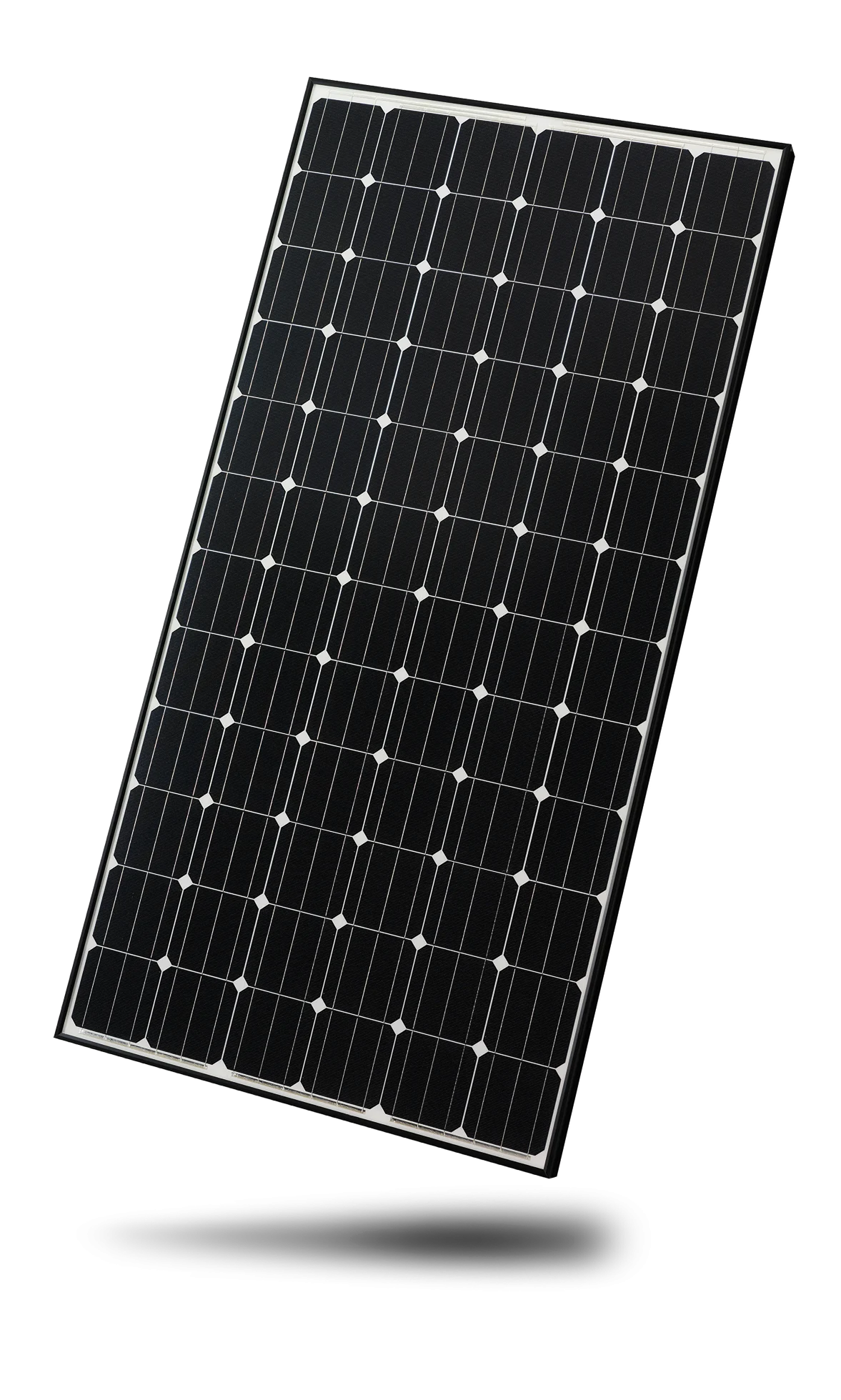
- Solar panels generate electricity, which is stored in batteries or fed directly to EV chargers.
- Hybrid systems integrate grid power with solar to ensure reliability.
- Smart monitoring via IoT enables real-time tracking of energy generation and consumption.
- Microgrid integration allows stations to operate independently during outages.
- Technology architecture
- PV generation: Rooftop or carport arrays sized to the typical daily kWh demand of the site.
- Storage integration: Lithium battery packs buffer intermittency and support evening/peak charging.
- Power electronics: DC fast chargers, bidirectional inverters, and charge controllers coordinate PV, battery, and grid flows.
- Smart controls: Energy management systems schedule charging to maximize solar use and minimize demand charges.
Deployment models
- Urban carports and rooftops: Mall or office parking integrated with PV canopies; daytime charging for commuters.
- Highway hubs: Hybrid solar + grid sites with storage to support fast charging and reduce diesel backup.
- Fleet depots: Solar microgrids for e-buses, e-rickshaws, and last-mile delivery vans with predictable schedules.
- Community stations: Municipality-run hubs in smart cities with public access and dynamic tariffs.
⚡ Benefits of Solar-Powered Charging Stations
- Sustainability: Reduces reliance on coal-based grid electricity.
- Cost savings: Cuts long-term operational costs by using free solar energy.
- Resilience: Provides backup power during grid failures.
- Scalability: Can be deployed in urban centers, highways, and rural areas.
- Public awareness: Visible solar infrastructure promotes clean energy adoption.
🇮🇳 India’s Context
- India targets 30% EV adoption by 2030, requiring robust charging infrastructure.
- Smart cities like Pune, Bengaluru, and Delhi are piloting solar-powered EV hubs.
- Government schemes under FAME II and PM Surya Ghar encourage integration of solar with EV charging.
- Startups are experimenting with solar-powered e-rickshaw charging stations in tier-2 and tier-3 cities.
📈 Use Cases
- Urban hubs: Rooftop solar charging stations in malls, offices, and metro stations.
- Highways: Solar-powered fast-charging stations reduce range anxiety for long-distance EV travel.
- Rural areas: Off-grid solar stations empower villages with EV adoption without grid dependency.
- Fleet operators: Logistics and public transport fleets benefit from reduced fuel costs and emissions.
🚧 Challenges
- High upfront costs for solar and battery integration.
- Land and space constraints in dense urban areas.
- Policy clarity on subsidies and tariffs for solar EV charging.
- Maintenance needs for panels and batteries in dusty or humid climates.


 Shubham Kumar