
Solar inverters are the heart of a solar system, converting DC electricity from panels into usable AC power. Choosing the right inverter type—string, micro, or hybrid—can significantly impact efficiency, reliability, and ROI. Let’s break down the differences to help homeowners and businesses make smarter decisions.
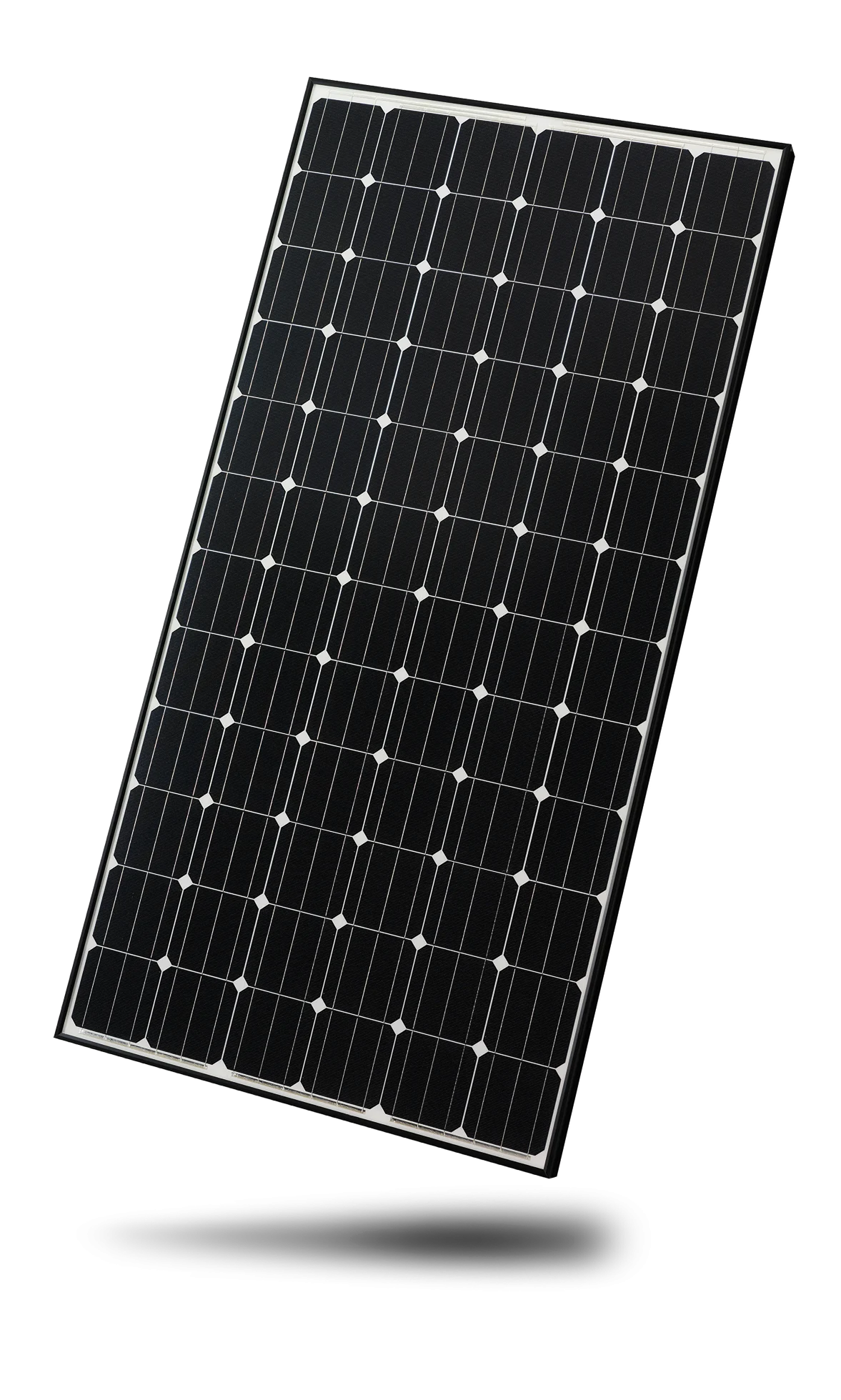
🌍 Introduction Solar inverters are the heart of a solar system, converting DC electricity from panels into usable AC power. Choosing the right inverter type—string, micro, or hybrid—can significantly impact efficiency, reliability, and ROI. Let’s break down the differences to help homeowners and businesses make smarter decisions.
| Inverter Type | Best For | Strengths | Limitations |
|---|---|---|---|
| String Inverter | Uniform rooftops with minimal shading | Cost-effective, simple design, proven reliability | Shading on one panel affects the whole string |
| Microinverter | Complex roofs, multiple orientations, shaded areas | Module-level MPPT, granular monitoring, better shade tolerance | Higher upfront cost, more units to maintain |
| Hybrid Inverter | Homes/businesses needing backup + battery | Seamless solar-battery-grid integration, outage protection, smart energy routing | Requires careful battery sizing, higher investment |

 Shubham Kumar
May 21, 2025
 Shubham Kumar
May 20, 2025
 Shubham Kumar
May 04, 2025
 Shubham Kumar
Apr 30, 2025
 Shubham Kumar
May 09, 2025


By clicking the button, you are agreeing with our Term & Conditions