Solar Energy vs. Traditional Power: Which Saves More?

Nov 25, 2025 7 mins read

The debate between solar energy and traditional power sources (coal, gas, and diesel) is no longer just about sustainability—it’s about economics. With rising electricity tariffs and falling solar costs, homeowners and businesses are asking, “Which option truly saves more in the long run?”
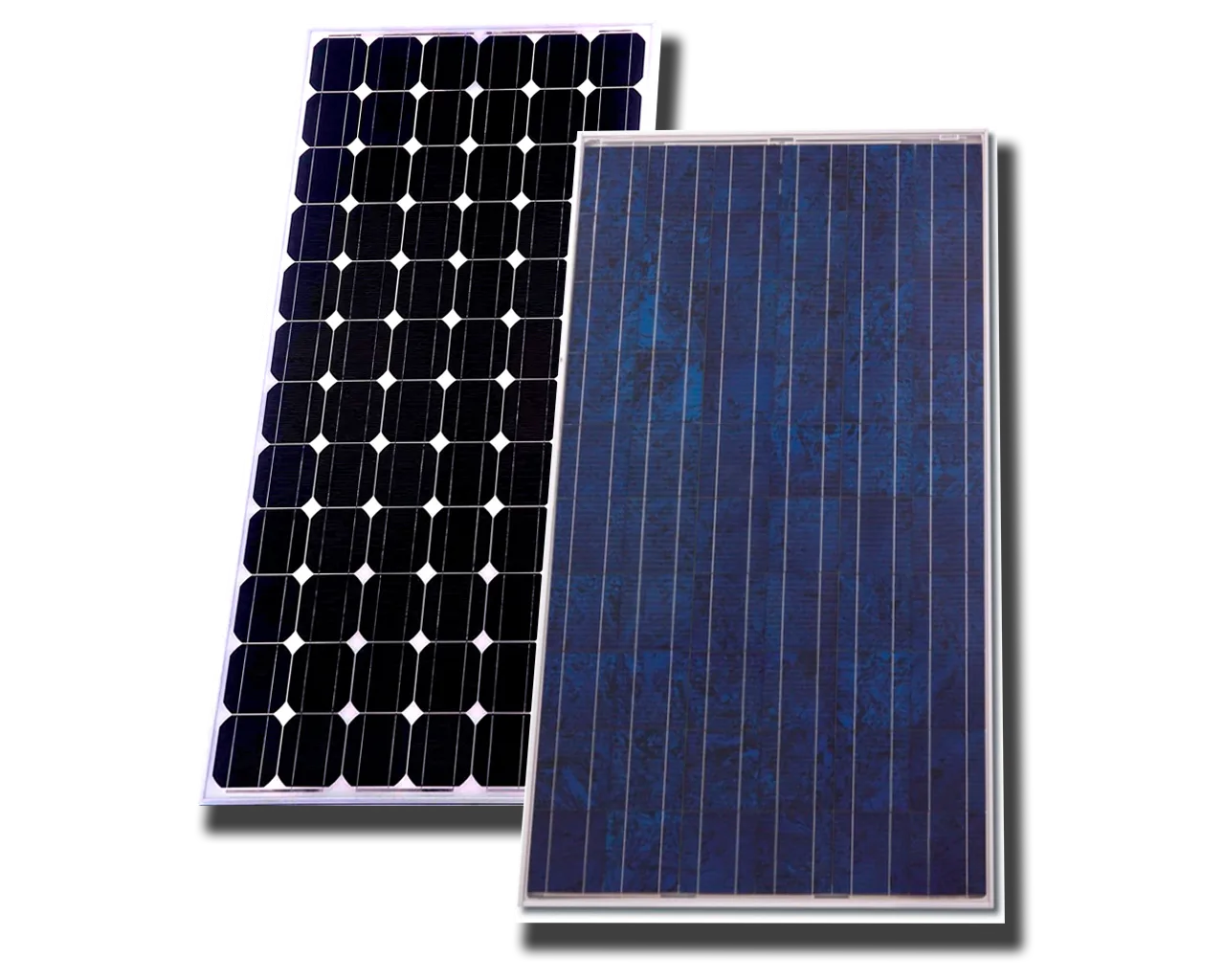
Solar Energy vs. Traditional Power: Which Saves More?
Business

Solar Energy vs. Traditional Power: Which Saves More?

🌍 Introduction The debate between solar energy and traditional power sources (coal, gas, and diesel) is no longer just about sustainability—it’s about economics. With rising electricity tariffs and falling solar costs, homeowners and businesses are asking, “Which option truly saves more in the long run?”


⚡ Cost Comparison

Solar Energy

  • Low operating costs: Once installed, solar panels generate electricity almost free of cost.
  • Payback period: Typically 4–6 years in India, after which savings accumulate for 20+ years.
  • Government subsidies: Programs like PM Surya Ghar reduce upfront costs for rooftop solar.
  • Net metering: Excess power exported to the grid earns credits, further lowering bills.

Traditional Power

  • Recurring expenses: Monthly electricity bills rise with fuel costs and demand.
  • Tariff hikes: Grid electricity prices in India have increased steadily over the past decade.
  • Fuel dependency: Coal and gas prices fluctuate, impacting household and business budgets.
  • Hidden costs: Environmental damage and health impacts add indirect expenses to society.
 

📈 Savings Potential

FactorSolar EnergyTraditional Power
Monthly billsReduced by 60–90%Constant or rising
Long-term ROIHigh (20–25 years lifespan)Low, no asset creation
Environmental costMinimalHigh (emissions, pollution)
IndependencePossible with solar + batteryFully dependent on grid/fuel


🌱 Beyond Money: Added Value of Solar

  • Property value boost: Homes with solar systems are more attractive to buyers.
  • Resilience: Solar and storage provide backup during outages.
  • Sustainability: Reduces carbon footprint and supports India’s renewable energy targets.
 

🚧 Challenges to Consider

  • Upfront investment: Solar requires initial capital, though financing options are improving.
  • Space requirement: Rooftop or land availability is necessary.
  • Maintenance: Minimal but essential (panel cleaning, inverter checks).
 
Share
Image NewsLetter
Icon primary
Newsletter

Subscribe our newsletter

By clicking the button, you are agreeing with our Term & Conditions