🌍 Solar Art Installations Merging Creativity with Renewable Energy

Nov 18, 2025 8 mins read

Solar energy isn’t just about panels on rooftops—it’s also a medium for artistic expression. Solar art installations merge aesthetics with functionality, turning public spaces into symbols of sustainability while generating clean energy.
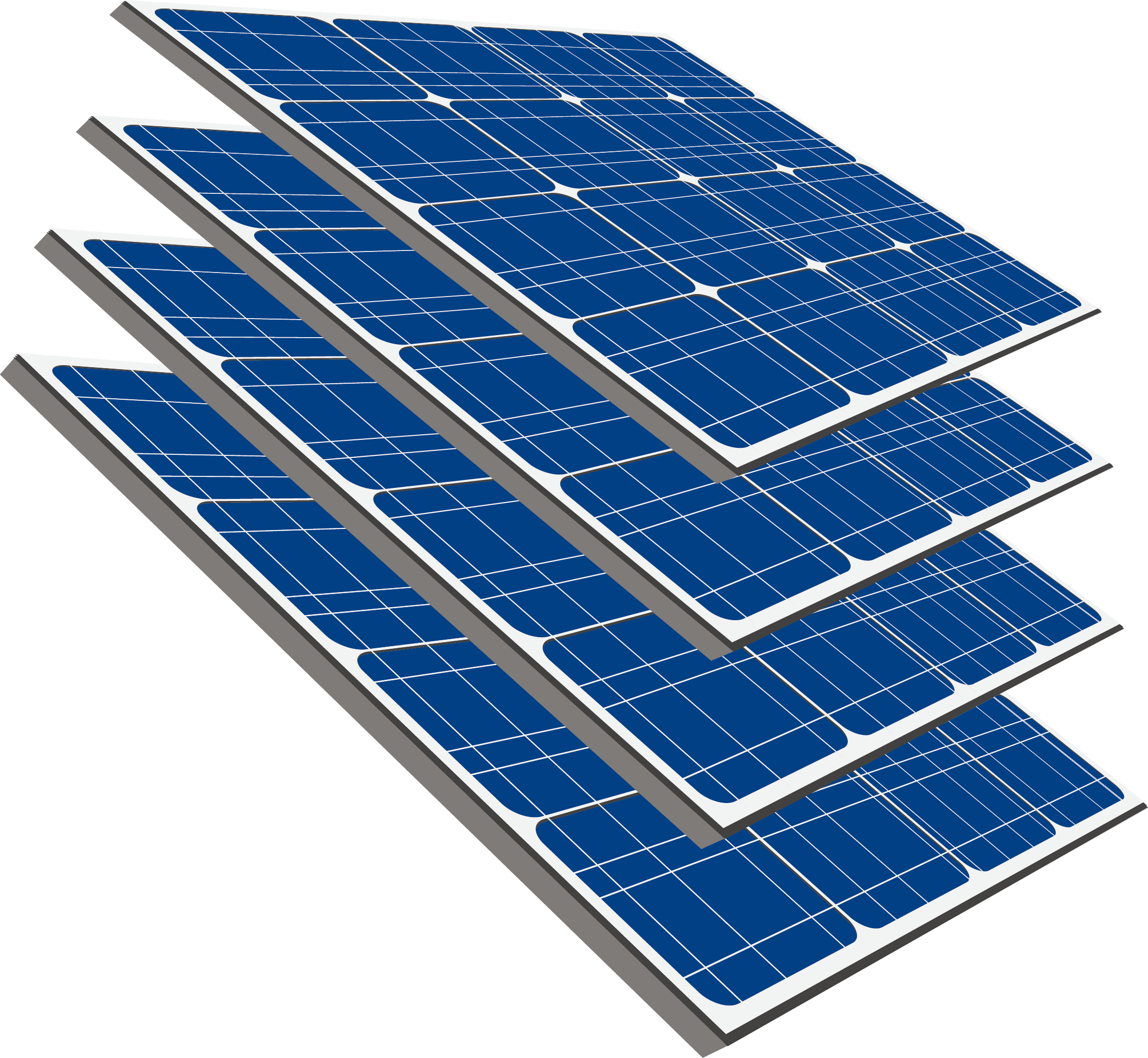
🌍 Solar Art Installations Merging Creativity with Renewable Energy
Business

🌍 Solar Art Installations Merging Creativity with Renewable Energy

Solar energy isn’t just about panels on rooftops—it’s also a medium for artistic expression. Solar art installations merge aesthetics with functionality, turning public spaces into symbols of sustainability while generating clean energy.


🎨 What Are Solar Art Installations?

  1. Sculptures, murals, or interactive structures powered by solar panels.
  2. Designed to produce electricity while serving as cultural or artistic landmarks.
  3. Often placed in parks, plazas, or smart city projects to raise awareness about renewable energy.
 

💡 Benefits of Solar Art Installations

  • Awareness: Inspires communities to embrace renewable energy through visual storytelling.
  • Functionality: Powers lighting, fountains, or charging stations integrated into the artwork.
  • Community engagement: Encourages participation and pride in local sustainability projects.
  • Innovation: Combines engineering, design, and environmental responsibility.
 

🌏 Global and Indian Examples

Global:

  1. Solar Trees in Singapore and Austria—artistic structures that generate power and provide shade.
  2. Solar Mural Projects in the US—street art integrated with solar panels powering nearby facilities.

India:

  1. Pilot projects in smart cities like Pune and Jaipur, where solar-powered sculptures light public spaces.
  2. NGOs are experimenting with solar art in schools and community centers to combine education with creativity.
 

🛠️ Design Considerations

  • Panel integration: Panels must be seamlessly embedded without compromising aesthetics.
  • Durability: Materials should withstand weather while maintaining artistic appeal.
  • Functionality: Installations should serve practical purposes (lighting, charging, cooling).
  • Community input: Designs that reflect local culture resonate more deeply with citizens.
 

🚧 Challenges

  • Cost: Artistic solar projects often require higher budgets than standard installations.
  • Maintenance: Balancing aesthetics with technical upkeep can be complex.
  • Policy support: Need for municipal backing and CSR funding to scale such projects.


Share
Image NewsLetter
Icon primary
Newsletter

Subscribe our newsletter

By clicking the button, you are agreeing with our Term & Conditions