
As India ramps up solar adoption, variability in sunlight poses a major challenge. Solar panels generate power when the sun is out, but what about cloudy days or nighttime? Smarter energy storage and integration solutions ensure that excess energy is captured, stored, and dispatched when needed—transforming rooftop arrays into reliable, round-the-clock power sources.
Introduction: Bridging the Solar Gap As India ramps up solar adoption, variability in sunlight poses a major challenge. Solar panels generate power when the sun is out, but what about cloudy days or nighttime? Smarter energy storage and integration solutions ensure that excess energy is captured, stored, and dispatched when needed—transforming rooftop arrays into reliable, round-the-clock power sources.
Energy Storage Systems (ESS) buffer the intermittent nature of renewable sources. Key technologies include:
Thermal Storage: Stores heat for later conversion to electricity, often paired with concentrating solar plants.
| ESS Type | Key Benefits |
|---|---|
| Lithium-ion Batteries | High efficiency; compact; fast response |
| Flow Batteries | Scalable capacity; long cycle life |
| Pumped Hydro Storage | Low cost per kWh; proven at utility scale |
| Thermal Storage | Cost-effective; integrates with CSP plants |
Pairing ESS with residential solar delivers:
Incorporating solar battery storage into solar systems for houses maximizes return on investment and turns every rooftop into a mini-power plant.
A seamless link between generation and storage relies on smart inverters and system controllers:
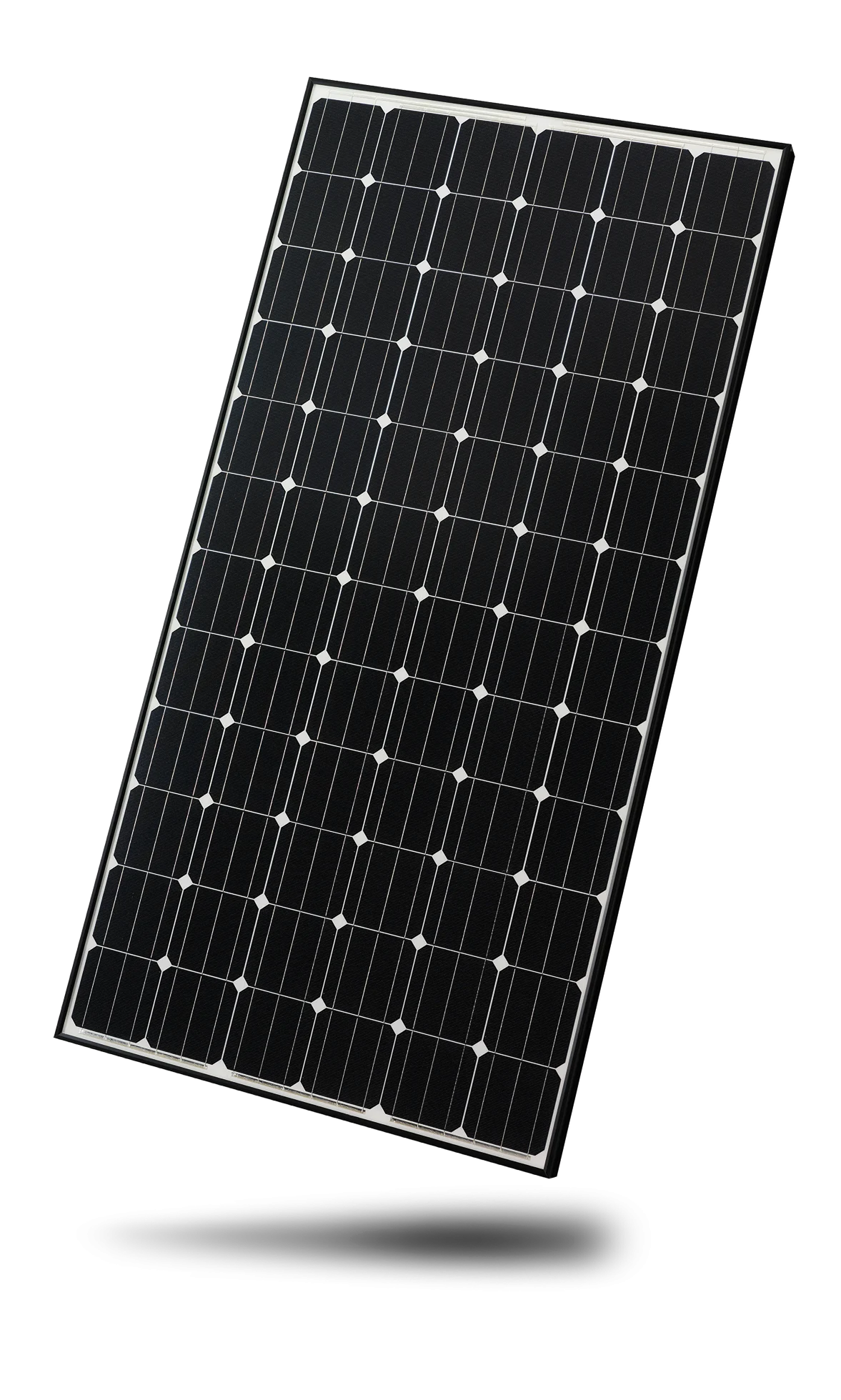
Choosing the best solar panels with compatible solar inverters ensures high efficiency and reliable performance. Affordable combinations of monocrystalline panels, hybrid inverters, and battery packs are widely available from top solar panel manufacturers in India.
Advanced energy management platforms leverage IoT and AI to balance supply and demand:
These solutions turn residential rooftops into active participants in a smarter, more resilient electricity network.
India’s Ministry of New & Renewable Energy is mapping strategic pathways for ESS deployment through 2032, focusing on affordability and scalability. Key players and projects include:
GIZ-MNRE Collaboration: Demonstrating community storage units in rural clusters to stabilize local grids

 Shubham Kumar
May 21, 2025
 Shubham Kumar
May 20, 2025
 Shubham Kumar
May 04, 2025
 Shubham Kumar
Apr 30, 2025
 Shubham Kumar
May 09, 2025


By clicking the button, you are agreeing with our Term & Conditions