🌍 Smart Cities and the Integration of Solar Energy Systems
Nov 17, 2025
12 mins read
Smart cities are designed to be sustainable, efficient, and resilient, and solar energy plays a central role in achieving these goals. By integrating solar PV with smart grids, IoT, and urban infrastructure, cities can reduce carbon emissions, improve energy security, and empower citizens with cleaner, more affordable power.
Business
🌍 Smart Cities and the Integration of Solar Energy Systems
Smart cities are designed to be sustainable, efficient, and resilient, and solar energy plays a central role in achieving these goals. By integrating solar PV with smart grids, IoT, and urban infrastructure, cities can reduce carbon emissions, improve energy security, and empower citizens with cleaner, more affordable power.
💡 How Solar Fits into Smart Cities
1. Rooftop Solar Adoption
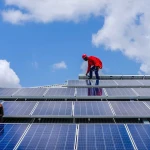
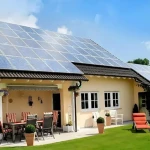
- Residential and commercial rooftops act as decentralized power plants.
- Net metering policies allow citizens to sell excess energy back to the grid, creating prosumers.
- Rooftop solar reduces dependency on fossil fuels and lowers urban carbon footprints.
- Smart metering ensures transparent billing and encourages wider adoption.
- 2. Smart Grids and IoT Integration
- AI and IoT sensors monitor solar generation and consumption in real time.
- Smart grids balance supply and demand, preventing outages and optimizing energy flows.
- Predictive maintenance powered by AI reduces downtime and extends asset life.
- Blockchain-based energy trading platforms enable peer-to-peer solar power exchange.
3. EV Charging Infrastructure
- Solar-powered EV charging stations reduce strain on the grid and cut emissions.
- Integration with battery storage ensures reliable charging even during peak demand.
- Supports India’s push for electric mobility, aligning with smart city sustainability goals.
- Solar EV hubs can double as microgrids, providing backup power during outages.
4. Solar-Powered Public Utilities
- Streetlights, water pumps, and public buildings powered by solar reduce municipal costs.
- Smart monitoring systems track performance and efficiency, ensuring accountability.
- Solar-powered traffic signals and surveillance systems enhance safety and resilience.
- Public transport depots and metro stations can integrate solar rooftops for clean energy supply.
🇮🇳 India’s Context
- India’s Smart Cities Mission emphasizes renewable integration, with solar PV as a key pillar.
- Cities like Pune, Jaipur, and Bhubaneswar are piloting solar-powered streetlights, EV charging hubs, and rooftop programs.
- Government schemes like PM Surya Ghar (rooftop solar subsidies) and KUSUM (solar pumps for agriculture) align with smart city goals by promoting distributed solar adoption.
- Urban planning authorities are increasingly mandating solar rooftops in new housing and commercial complexes.
📈 Benefits of Solar in Smart Cities
- Environmental: Reduced emissions, cleaner air, and improved urban health.
- Economic: Lower energy bills for households and municipal savings on utilities.
- Social: Reliable power for citizens, improved public services, and equitable access.
- Resilience: Energy independence during grid failures, disasters, or peak demand.
- Innovation: Encourages startups and tech firms to develop solar+IoT solutions.
🚧 Challenges
- High upfront costs for smart infrastructure and solar integration.
- Integration complexity with legacy grid systems and outdated urban layouts.
- Policy and regulatory gaps in net metering, rooftop mandates, and urban planning.
- Awareness barriers: Citizens and small businesses need education on solar benefits and financing options.
✅ Call to Action
Smart cities cannot be truly “smart” without solar integration. Governments, corporates, and citizens must collaborate to scale rooftop PV, smart grids, and solar-powered utilities. By embedding solar into the DNA of urban planning, India can build cities that are sustainable, resilient, and future-ready.