
Reasons why solar panels are the future of energy

Nov 24, 2025 10 mins read

Solar panels are moving from optional upgrades to core energy infrastructure. Falling costs, policy support, and the need for clean, reliable power make solar the most scalable path to decarbonization for homes and businesses alike.
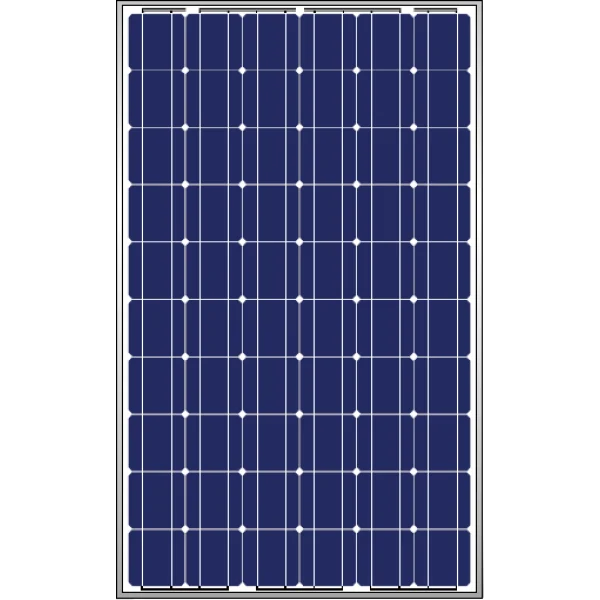
Reasons why solar panels are the future of energy
Business

Reasons why solar panels are the future of energy

Introduction Solar panels are moving from optional upgrades to core energy infrastructure. Falling costs, policy support, and the need for clean, reliable power make solar the most scalable path to decarbonization for homes and businesses alike.

Economic advantages

  • Predictable, lower energy costs: Solar lets you lock in decades of cheap power and hedge against rising tariffs and fuel volatility.
  • Business efficiency: Companies in India increasingly view solar as a driver of long-term growth and cost control, not just a sustainability badge.
  • Attractive financing: EMIs, green loans, and PPAs reduce upfront barriers, accelerating adoption across residential and commercial segments.
 

Technology maturity and reliability

  • Proven performance: Modern modules deliver high efficiency with durable warranties, while inverters offer smart monitoring and grid support.
  • Hybrid and storage-ready systems: Pairing panels with batteries ensures backup power and peak‑shaving for resilient operations.
  • Digital optimization: IoT and analytics maximize yield, simplify maintenance, and integrate seamlessly with smart meters and EMS platforms.
 

Sustainability and compliance

  • Immediate emissions cuts: Solar displaces fossil electricity, helping meet ESG, CSR, and net‑zero goals.
  • Regulatory alignment: Policy momentum and corporate sustainability mandates are making solar adoption a core operational requirement for Indian businesses.
  • Visible impact: Rooftop arrays and solar carports signal leadership, building trust with customers and communities.
 

Scalability across use cases

  • Homes and apartments: From 3–10 kW rooftops to shared community systems, solar fits diverse urban and rural contexts.
  • Commercial and industrial: Warehouses, factories, and offices can convert large rooftops into high‑yield assets with strong ROI.
  • Public infrastructure: Schools, hospitals, transit hubs, and EV charging benefit from distributed, clean energy with resilience advantages.

Resilience and energy independence

  • Distributed generation: Localized solar reduces grid dependency and keeps critical loads running during outages.
  • Microgrids and backup: Solar plus storage supports disaster readiness and business continuity, especially in high‑demand or remote locations.
  • Future-proofing: Hybrid setups (solar + battery + grid) adapt to evolving tariffs, policies, and technology without stranded assets.
 

Market momentum

  • Rapid adoption: 2025 trends show accelerating residential and corporate solar uptake in India, driven by affordability, reliability, and sustainability goals.
  • Corporate leadership: Enterprises are integrating solar into core energy strategies to manage risk, costs, and compliance at scale.


Share
Image NewsLetter
Icon primary
Newsletter

Subscribe our newsletter

By clicking the button, you are agreeing with our Term & Conditions