The Importance of Regular Solar System Inspections

Oct 24, 2025 10 mins read

Regular inspections protect safety, performance, and return on investment for every solar project from rooftop solar panels for homes to systems with solar battery storage. Inspections prevent minor issues from becoming costly failures and keep solar panel installation warranties valid.
The Importance of Regular Solar System Inspections
Business

The Importance of Regular Solar System Inspections

Introduction Regular inspections protect safety, performance, and return on investment for every solar project from rooftop solar panels for homes to systems with solar battery storage. Inspections prevent minor issues from becoming costly failures and keep solar panel installation warranties valid.
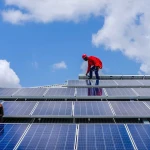
 

Why Inspections Matter

  • Preserve energy yield and reduce effective solar panel prices per kWh by catching losses early.
  • Prevent safety hazards such as loose connections, water ingress, or overheating that can cause fires or damage.
  • Maintain warranty compliance and make warranty claims easier with documented inspection records.
  • Extend equipment life and lower long-term maintenance costs for solar systems for houses.
 

What a Full Inspection Includes

  • Visual check of panels, mounts, and roof interface for soiling, microcracks, corrosion, and sealing issues.
  • Inverter diagnostics, including error-code logging, firmware status, and operating parameters.
  • Electrical tests: string continuity, insulation resistance, torque checks on terminals, and junction box condition.
  • Thermal imaging or IV curve testing to detect hotspots, failing cells, and connection faults.
  • Battery and BMS assessment for systems with solar battery storage, including health, voltage, and charge/discharge behavior.
 

Recommended Inspection Frequency

  • Homeowner visual and app checks: monthly.
  • Basic performance and cleaning review: every 3–6 months, depending on local soiling conditions.
  • Detailed electrical and thermal inspection: annually for residential; semiannually for commercial.
  • Post-event inspection after storms, heavy winds, or rooftop work.
 

Simple DIY Checks Homeowners Can Do

  • Monitor daily yield via the monitoring app and flag deviations beyond weather-adjusted expectations.
  • Keep modules clear of heavy soiling; rinse with low-pressure water and a soft brush when safe.
  • Photograph inverter alarms and capture logs before contacting support.
  • Inspect roof mounts visually for looseness or rust; avoid touching electrical components unless qualified.
 

When to Call a Professional

  • Persistent inverter fault codes after reboot or unclear error messages.
  • Smell of burning, visible scorching, exposed live conductors, or water ingress into electrical enclosures.
  • Major electrical work: reconfiguration, module replacement, or battery service.
  • Large unexplained performance drops after ruling out weather and soiling.
 

Benefits for Homeowners and Installers

  • Predictable energy generation lowers lifetime cost and improves the payback of solar panel installation investments.
  • Documented inspections speed up claims with solar panel manufacturers in India and inverter vendors.
  • Early detection reduces emergency callouts and replacement costs, preserving system value and resale appeal.
 
Share
Image NewsLetter
Icon primary
Newsletter

Subscribe our newsletter

By clicking the button, you are agreeing with our Term & Conditions