
As solar adoption grows across India, homeowners must choose between off-grid and grid-tied solar systems. Each has unique benefits, costs, and technical requirements. This guide compares both to help you make an informed decision based on your location, budget, and energy goals.
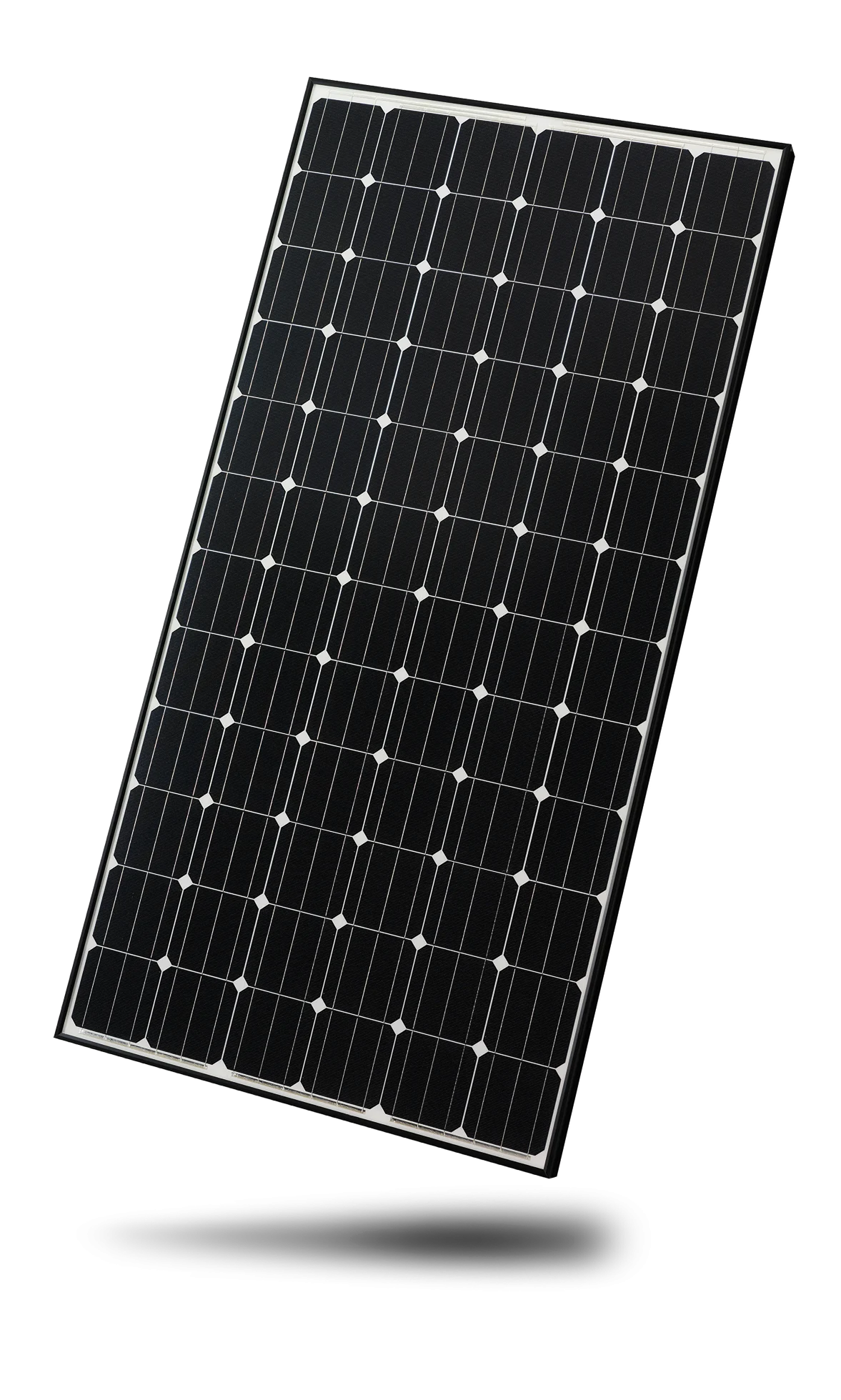
As solar adoption grows across India, homeowners must choose between off-grid and grid-tied solar systems. Each has unique benefits, costs, and technical requirements. This guide compares both to help you make an informed decision based on your location, budget, and energy goals.
A grid-tied system connects your solar panels to the local electricity grid. You use solar power during the day and draw from the grid when needed. Excess energy can be exported for credits via net metering.
An off-grid system operates independently of the utility grid. It requires solar battery storage to supply power during nights or cloudy days.
| System Type | Upfront Cost | Monthly Bills | Backup Power | Battery Required |
|---|---|---|---|---|
| Grid-Tied | ₹70,000–₹1.5L | Yes (reduced) | No (unless hybrid) | Optional |
| Off-Grid | ₹1.5L–₹3L+ | No | Yes | Mandatory |
Tip: Compare solar panel prices and battery costs from certified solar panel manufacturers in India before deciding.
| Scenario | Recommended System |
|---|---|
| Urban home with stable grid | Grid-Tied |
| Rural area with frequent outages | Off-Grid |
| Apartment with limited roof space | Grid-Tied (shared) |
| Farmhouse or remote property | Off-Grid |
Always choose certified installers for safe and compliant solar panel installation.

 Shubham Kumar
May 21, 2025
 Shubham Kumar
May 20, 2025
 Shubham Kumar
May 04, 2025
 Shubham Kumar
Apr 30, 2025
 Shubham Kumar
May 09, 2025


By clicking the button, you are agreeing with our Term & Conditions