
India’s module manufacturing capacity is expanding rapidly and is set to exceed 125 GW by 2025, creating a potential inventory surplus versus domestic demand and raising questions about market absorption and exports.

Capacity and Manufacturing Surge India’s module manufacturing capacity is expanding rapidly and is set to exceed 125 GW by 2025, creating a potential inventory surplus versus domestic demand and raising questions about market absorption and exports.
Despite market headwinds, the sector attracted significant corporate funding in 2025, with large-scale project acquisitions and investor interest supporting project pipelines and developer consolidation.


India’s policy ambition and manufacturing pushes aim to meet growing demand and strengthen the domestic supply chain, positioning the nation to hit bold deployment targets by 2030. Globally, continued R&D in perovskites, tandem cells, recycling, and grid-smart integration will shape the next wave of adoption and sustainability improvements.

National targets and supportive programs continue to steer the market—policies aimed at manufacturing, auctions, and rooftop promotion keep India among the top countries for renewable capacity growth.
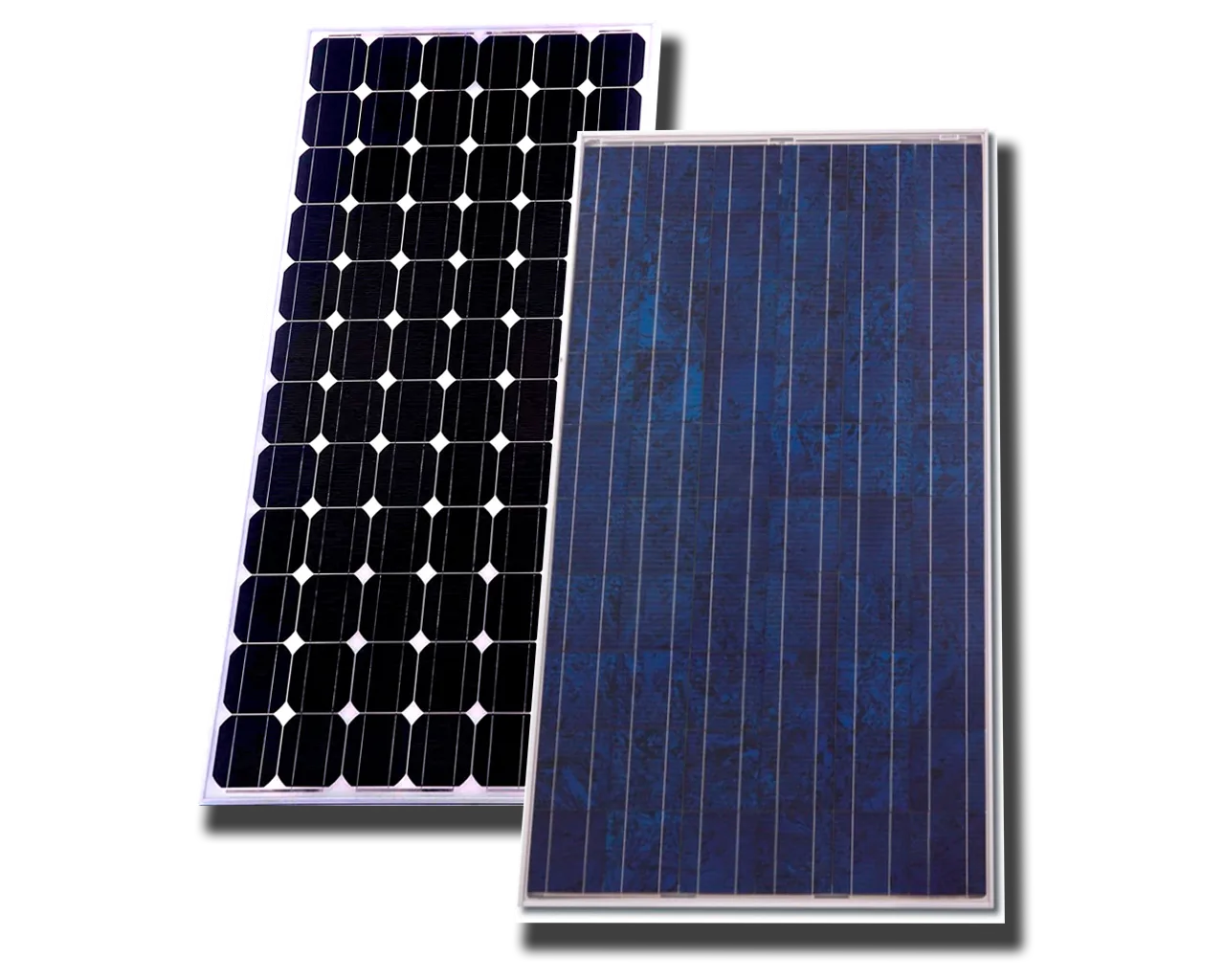
Manufacturers and developers are pushing higher-efficiency modules (PERC, half-cut, bifacial) and BOS optimizations to improve yield and compete on cost, while supply-chain shifts affect export strategies and vendor positioning.

Rapid factory expansions raise overcapacity and inventory risks, and new trade or tariff actions in export markets can sharply change demand dynamics and redirect module flows to the domestic market.
Rooftop solar growth is supported by financing options, net-metering/state-level policies, and falling module prices, but uptake varies by state and hinges on streamlined permitting and consumer-friendly financing.
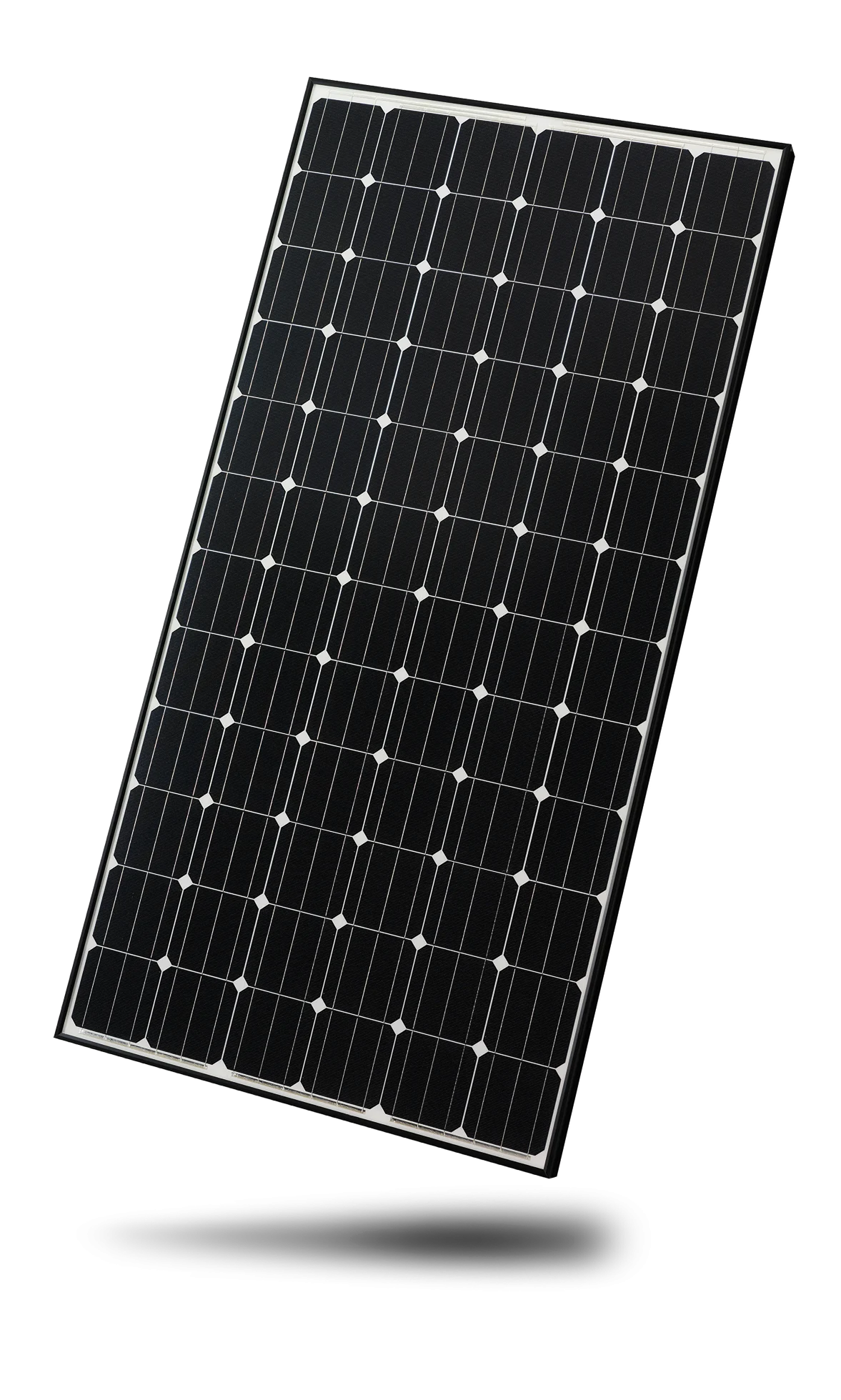
Q3–Q4 2025 activity shows active project acquisitions and capital deployment into developers, creating consolidation and buyout opportunities that reshape project ownership and operational portfolios.
Watch module price trends, manufacturer warranties and local support, rooftop incentive changes, and the availability of competitive installation financing—these factors will influence installation economics and payback.

 Shubham Kumar
May 21, 2025
 Shubham Kumar
May 20, 2025
 Shubham Kumar
May 04, 2025
 Shubham Kumar
Apr 30, 2025
 Shubham Kumar
May 09, 2025


By clicking the button, you are agreeing with our Term & Conditions