🌍 Incorporating Solar Panels into Architectural Design
Solar panels are no longer just add-ons to rooftops—they are becoming integral design elements in modern architecture. By embedding photovoltaics into facades, shading devices, and urban infrastructure, architects create buildings that are both aesthetic and energy-efficient.
Business
🌍 Incorporating Solar Panels into Architectural Design
Solar panels are no longer just add-ons to rooftops—they are becoming integral design elements in modern architecture. By embedding photovoltaics into facades, shading devices, and urban infrastructure, architects create buildings that are both aesthetic and energy-efficient.
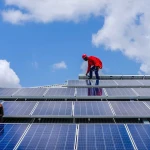
🏢 Approaches to Solar Integration
1. Rooftop Solar Systems
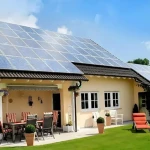
- Traditional yet effective, rooftop PV remains the most common integration.
- Flat and sloped roofs can be optimized for maximum irradiance.
- Green roofs and solar panels combine biodiversity with clean energy.
2. Building-Integrated Photovoltaics (BIPV)
- Panels replace conventional building materials (glass, tiles, facades).
- Transparent or semi-transparent PV glass allows daylight while generating electricity.
- BIPV reduces material costs and enhances aesthetics.
3. Solar Facades and Cladding
- Vertical PV panels integrated into building exteriors.
- Ideal for high-rise urban structures where roof space is limited.
- Adds a futuristic look while contributing to net-zero goals.
4. Solar Shading Devices
- PV panels embedded into louvers, pergolas, and canopies.
- Provide shade while producing electricity.
- Popular in smart city designs for bus stops, walkways, and public plazas.
5. Solar in Public Infrastructure
- Metro stations, airports, and government buildings are adopting solar rooftops and facades.
- Solar-powered street furniture (benches, kiosks) enhances urban sustainability.
🇮🇳 India’s Context
- India’s Smart Cities Mission encourages renewable integration into urban planning.
- Rooftop solar adoption is rising under PM Surya Ghar subsidies.
- Architects in cities like Pune, Bengaluru, and Delhi are experimenting with BIPV facades and solar shading devices.
- CSR-backed projects are funding solar-integrated schools, hospitals, and public spaces.
📈 Benefits of Architectural Solar Integration
- Environmental: Reduced carbon footprint and cleaner air.
- Economic: Lower energy bills and long-term ROI.
- Aesthetic: Modern, futuristic designs that showcase sustainability.
- Functional: Dual-purpose structures (shade + power, facade + energy).
- Resilience: Distributed generation strengthens urban infrastructure against grid failures.
🚧 Challenges
- High upfront costs for BIPV materials and custom designs.
- Technical expertise required for integration with building codes.
- Maintenance of facade-mounted panels in dusty or polluted cities.
- Policy clarity on subsidies for BIPV vs. conventional rooftop solar.