🌍 Incorporating Solar Panels into Architectural Design

Nov 18, 2025 9 mins read

Solar panels are no longer just add-ons to rooftops—they are becoming integral design elements in modern architecture. By embedding photovoltaics into facades, shading devices, and urban infrastructure, architects create buildings that are both aesthetic and energy-efficient.
🌍  Incorporating Solar Panels into Architectural Design
Business

🌍 Incorporating Solar Panels into Architectural Design

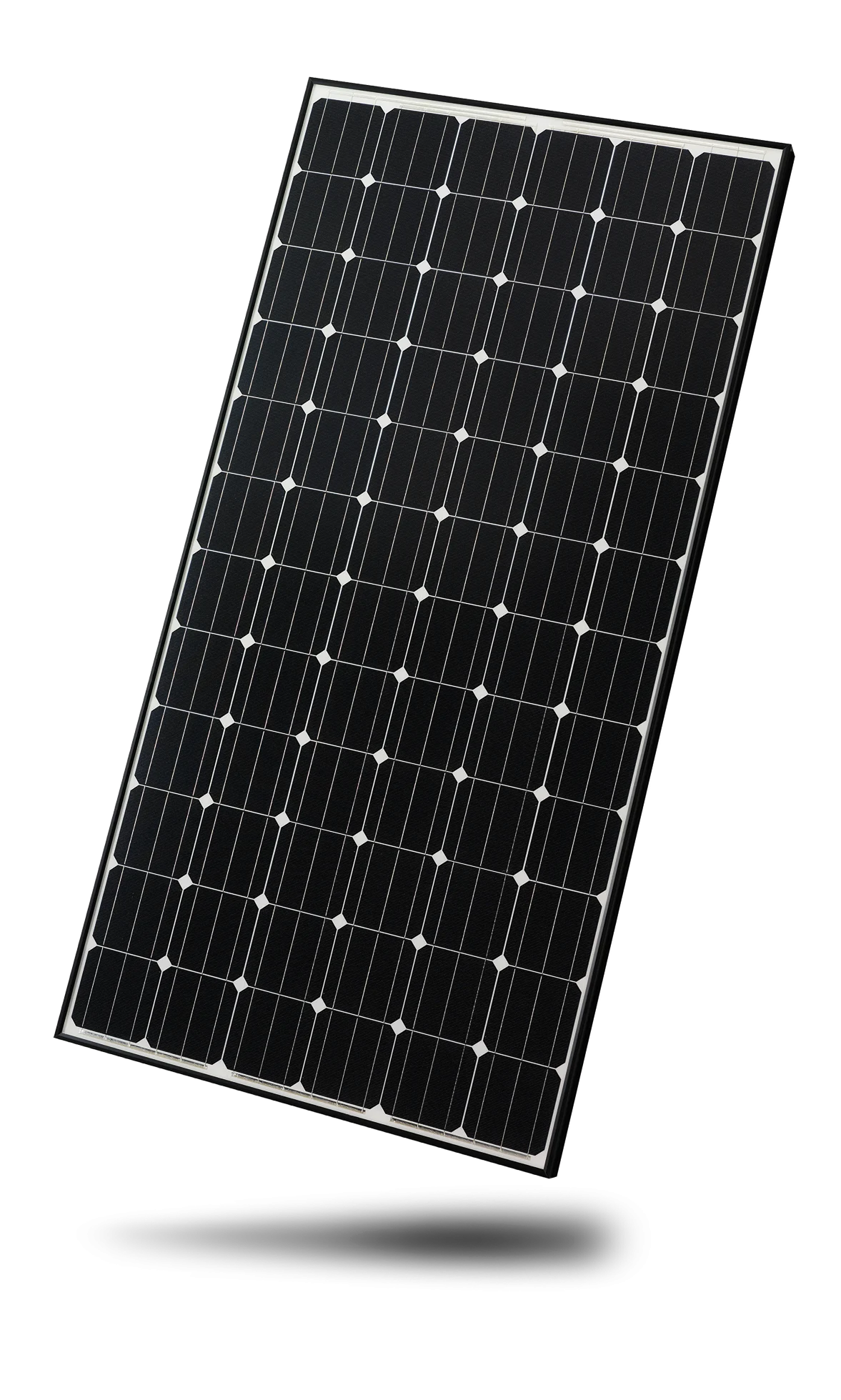
Solar panels are no longer just add-ons to rooftops—they are becoming integral design elements in modern architecture. By embedding photovoltaics into facades, shading devices, and urban infrastructure, architects create buildings that are both aesthetic and energy-efficient.
 

🏢 Approaches to Solar Integration

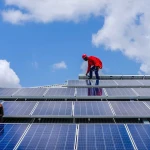
1. Rooftop Solar Systems

  • Traditional yet effective, rooftop PV remains the most common integration.
  • Flat and sloped roofs can be optimized for maximum irradiance.
  • Green roofs and solar panels combine biodiversity with clean energy.

2. Building-Integrated Photovoltaics (BIPV)

  • Panels replace conventional building materials (glass, tiles, and facades).
  • Transparent or semi-transparent PV glass allows daylight while generating electricity.
  • BIPV reduces material costs and enhances aesthetics.

3. Solar Facades and Cladding

  • Vertical PV panels integrated into building exteriors.
  • Ideal for high-rise urban structures where roof space is limited.
  • Adds a futuristic look while contributing to net-zero goals.

4. Solar Shading Devices

  • PV panels embedded into louvers, pergolas, and canopies.
  • Provide shade while producing electricity.
  • Popular in smart city designs for bus stops, walkways, and public plazas.

5. Solar in Public Infrastructure

  • Metro stations, airports, and government buildings are adopting solar rooftops and facades.
  • Solar-powered street furniture (benches, kiosks) enhances urban sustainability.
 

🇮🇳 India’s Context

  1. India’s Smart Cities Mission encourages renewable integration into urban planning.
  2. Rooftop solar adoption is rising under PM Surya Ghar subsidies.
  3. Architects in cities like Pune, Bengaluru, and Delhi are experimenting with BIPV facades and solar shading devices.
  4. CSR-backed projects are funding solar-integrated schools, hospitals, and public spaces.
 

📈 Benefits of Architectural Solar Integration

  • Environmental: Reduced carbon footprint and cleaner air.
  • Economic: Lower energy bills and long-term ROI.
  • Aesthetic: Modern, futuristic designs that showcase sustainability.
  • Functional: Dual-purpose structures (shade + power, facade + energy).
  • Resilience: Distributed generation strengthens urban infrastructure against grid failures.
 

🚧 Challenges

  • High upfront costs for BIPV materials and custom designs.
  • Technical expertise required for integration with building codes.
  • Maintenance of facade-mounted panels in dusty or polluted cities.
  • Policy clarity on subsidies for BIPV vs. conventional rooftop solar.
 
Share
Image NewsLetter
Icon primary
Newsletter

Subscribe our newsletter

By clicking the button, you are agreeing with our Term & Conditions