
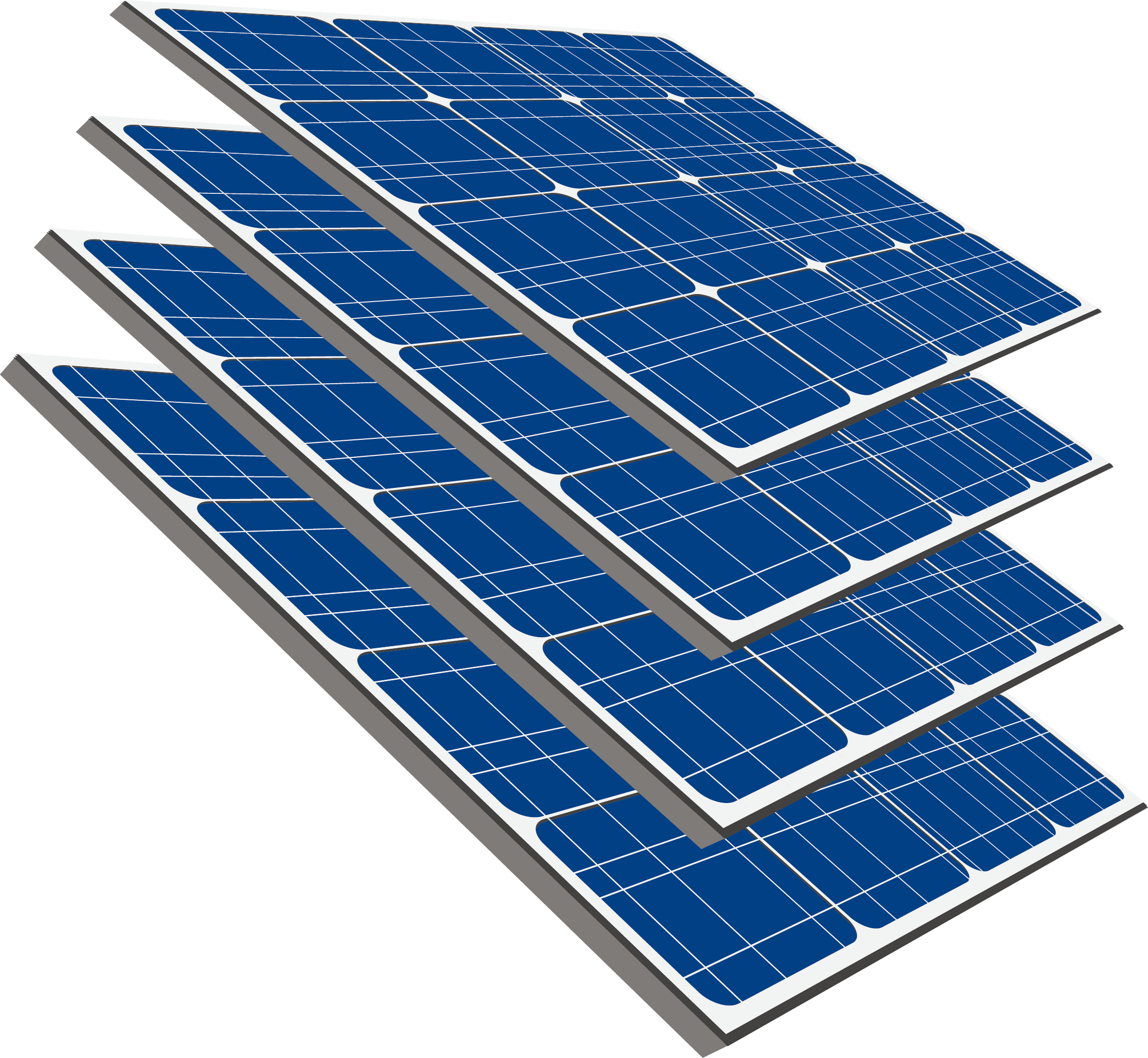
Dust, debris, bird droppings, and general wear can reduce solar panel output if ignored. A light, regular maintenance routine preserves efficiency, protects warranties, and keeps ROI on track.
| Task | Frequency | Goal |
|---|---|---|
| Panel cleaning | Monthly–quarterly (as needed) | Remove dust/debris to maintain output |
| Visual inspection | Quarterly | Spot physical or wiring issues early |
| Monitoring review | Weekly | Catch performance anomalies fast |
| Inverter/firmware check | Semi-annual | Ensure safe, optimal operation |
| Professional service | Annual | IV-curve, thermal scan, structural verification |
 Shubham Kumar
May 21, 2025
 Shubham Kumar
May 20, 2025
 Shubham Kumar
May 04, 2025
 Shubham Kumar
Apr 30, 2025
 Shubham Kumar
May 09, 2025


By clicking the button, you are agreeing with our Term & Conditions