How solar inverters transform your home solar system
Nov 24, 2025
12 mins read
A solar inverter's functions
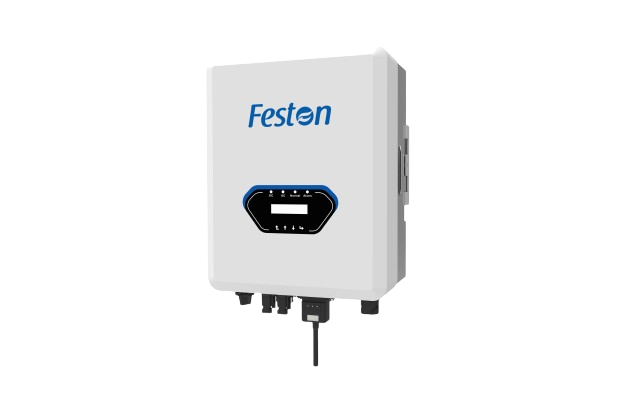
The central component of your home solar system is a solar inverter. It controls energy flows between panels, the grid, and batteries, transforms DC from your solar panels into usable AC, and uses monitoring to keep everything safe, effective, and visible.
Business
How solar inverters transform your home solar system
A solar inverter's functions The central component of your home solar system is a solar inverter. It controls energy flows between panels, the grid, and batteries, transforms DC from your solar panels into usable AC, and uses monitoring to keep everything safe, effective, and visible.
Ways inverters transform performance, safety, and savings Efficiency and yield Maximum power point tracking (MPPT): Continuously optimizes panel output to squeeze more energy from changing sunlight.Shade resilience: Multi‑MPPT and module‑level control reduce losses from partial shading or mismatched panels.DC/AC optimization: High conversion efficiency (often 97–99%) turns more sunlight into usable power.Reliability and protection Grid safety: Anti‑islanding and voltage/frequency controls protect your home and utility workers during outages.Equipment protection: Over/under‑voltage, surge protection, and thermal safeguards extend component life.Diagnostics: Fault codes and alerts speed up troubleshooting, reducing downtime.Smart energy management Monitoring: Real‑time apps and portals track generation, consumption, and export for bill savings.Load control: Prioritizes critical appliances, schedules heavy loads for sunny hours, and reduces demand charges.Hybrid modes: Seamlessly switch between solar, battery, and grid to maintain power during outages.Savings and flexibility Net metering support: Accurately measure exports to the grid for credits and faster ROI.Battery integration: Store excess solar for evenings, cut peak tariffs, and enhance resilience.EV charging synergy: Coordinate with smart chargers to use mid‑day solar for low‑carbon mobility.
Types of solar inverters compared Type Best for Key strengths Watch-outs String inverter Simple rooftops Cost-effective, proven, easy O&M Shade can reduce string output Microinverters Complex/shaded roofs Module-level MPPT, granular monitoring Higher upfront cost Power optimizers + string Mixed roofs Shade mitigation + central simplicity More components to manage Hybrid inverter Solar + battery Backup power, smart energy routing Plan battery sizing carefully
How to choose the right inverter System design: Match inverter capacity to array size with headroom for future panel additions.Roof conditions: Choose micro/optimizer setups for shading or complex orientations; string for uniform sun.Backup needs: Hybrid models if outage protection and battery storage are priorities.Grid policy: Ensure compliance with local net‑metering specs and DISCOM interconnection requirements.Monitoring: Wi‑Fi/4G apps with per‑string or per‑module visibility for easy performance tracking.Warranty and service: 5–10+ year warranties and a strong local support network for fast repairs.
Set up tips and common mistakes to avoid Correct sizing: Ensure the DC/AC ratio is appropriate; avoid chronic clipping at peak sun.Panel layout: Group panels by orientation/tilt to align with MPPT inputs.Ventilation: Mount in shaded, ventilated areas; avoid hot, enclosed spaces that degrade performance.Earthing and surge protection: Install proper grounding, DC isolators, and SPDs to protect electronics.Clean wiring: Use UV‑resistant cables, tight terminations, and clear labeling for future maintenance.Commissioning checklist: Firmware updates, grid code settings, and monitoring app onboarding before handover.