
India’s solar revolution is expanding beyond rooftops and open fields. The latest innovation? Floating solar farms, also known as floatovoltaics. These systems place solar panels on water bodies—lakes, reservoirs, and canals—unlocking clean energy without consuming land.
Introduction: Solar Power Meets Water India’s solar revolution is expanding beyond rooftops and open fields. The latest innovation? Floating solar farms, also known as floatovoltaics. These systems place solar panels on water bodies—lakes, reservoirs, and canals—unlocking clean energy without consuming land. With rising demand for affordable solar panels, limited land availability, and increasing water evaporation concerns, floatovoltaics offer a smart, sustainable solution for India’s energy future.
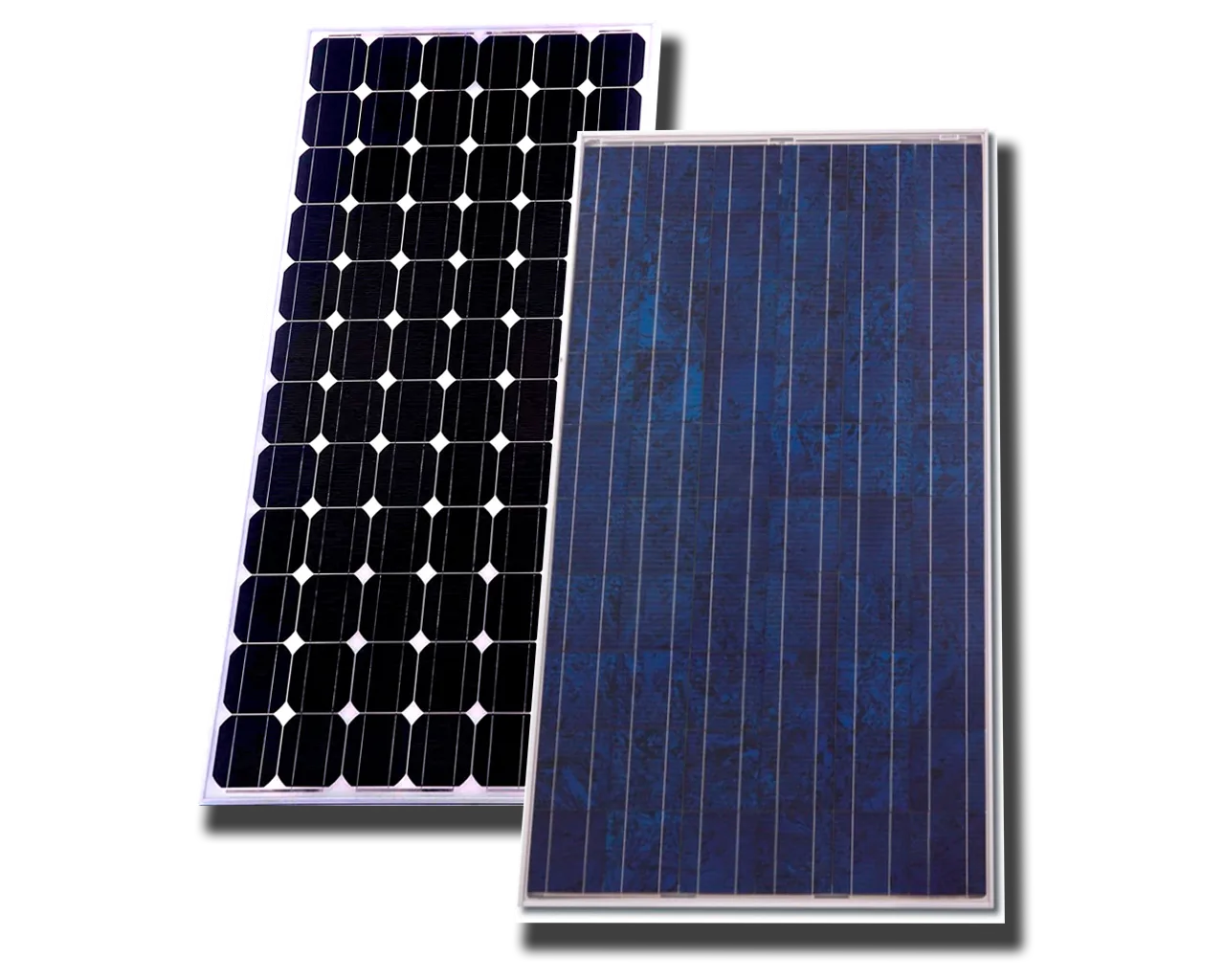
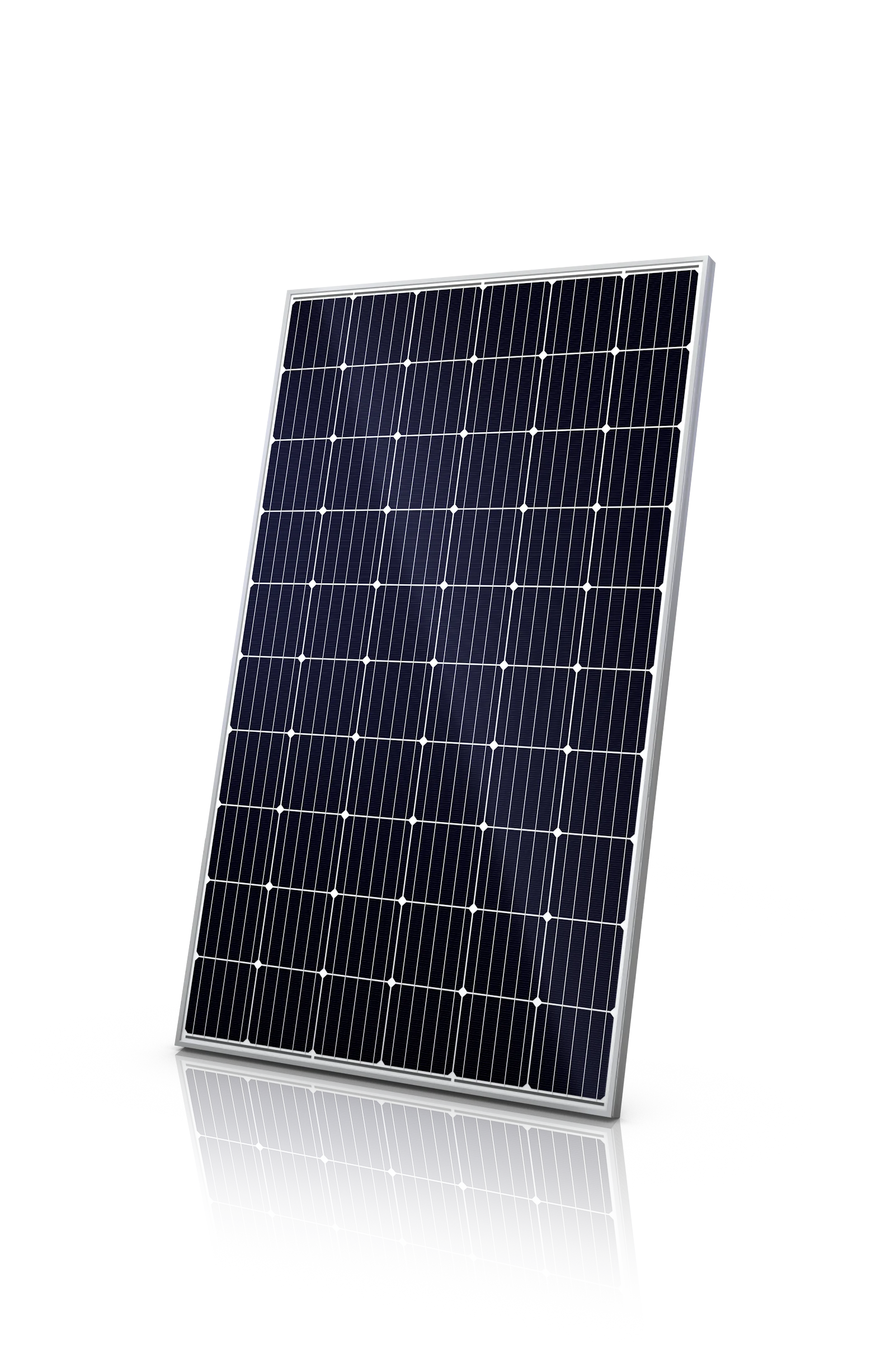
Floating solar farms are photovoltaic systems mounted on buoyant platforms that float on water surfaces. They work just like traditional solar panels but benefit from cooler temperatures and reflective surfaces, which can boost efficiency.
According to , India is actively deploying floating solar farms to meet its 100 GW solar target.
While large-scale floatovoltaics are typically used for industrial or utility-scale projects, smaller systems can benefit:
These setups can be paired with solar battery storage and solar inverters to create self-sufficient energy systems.
The Ramagundam reservoir in Telangana hosts one of India’s largest floating solar farms, powering thousands of homes while saving billions of liters of water.
India’s top solar panel manufacturers are entering the floatovoltaics space:
Floatovoltaics align with India’s goals for:
They offer a unique blend of solar panel installation and water conservation, making them ideal for climate-resilient infrastructure.

 Shubham Kumar
May 21, 2025
 Shubham Kumar
May 20, 2025
 Shubham Kumar
May 04, 2025
 Shubham Kumar
Apr 30, 2025
 Shubham Kumar
May 09, 2025


By clicking the button, you are agreeing with our Term & Conditions