
Photovoltaic (PV) cells are the core technology that turns sunlight into usable electricity for homes, businesses, and utilities. Understanding the basics—how a cell produces current, how cells are assembled into panels, and what affects performance—helps homeowners choose the right system and set realistic expectations for energy.
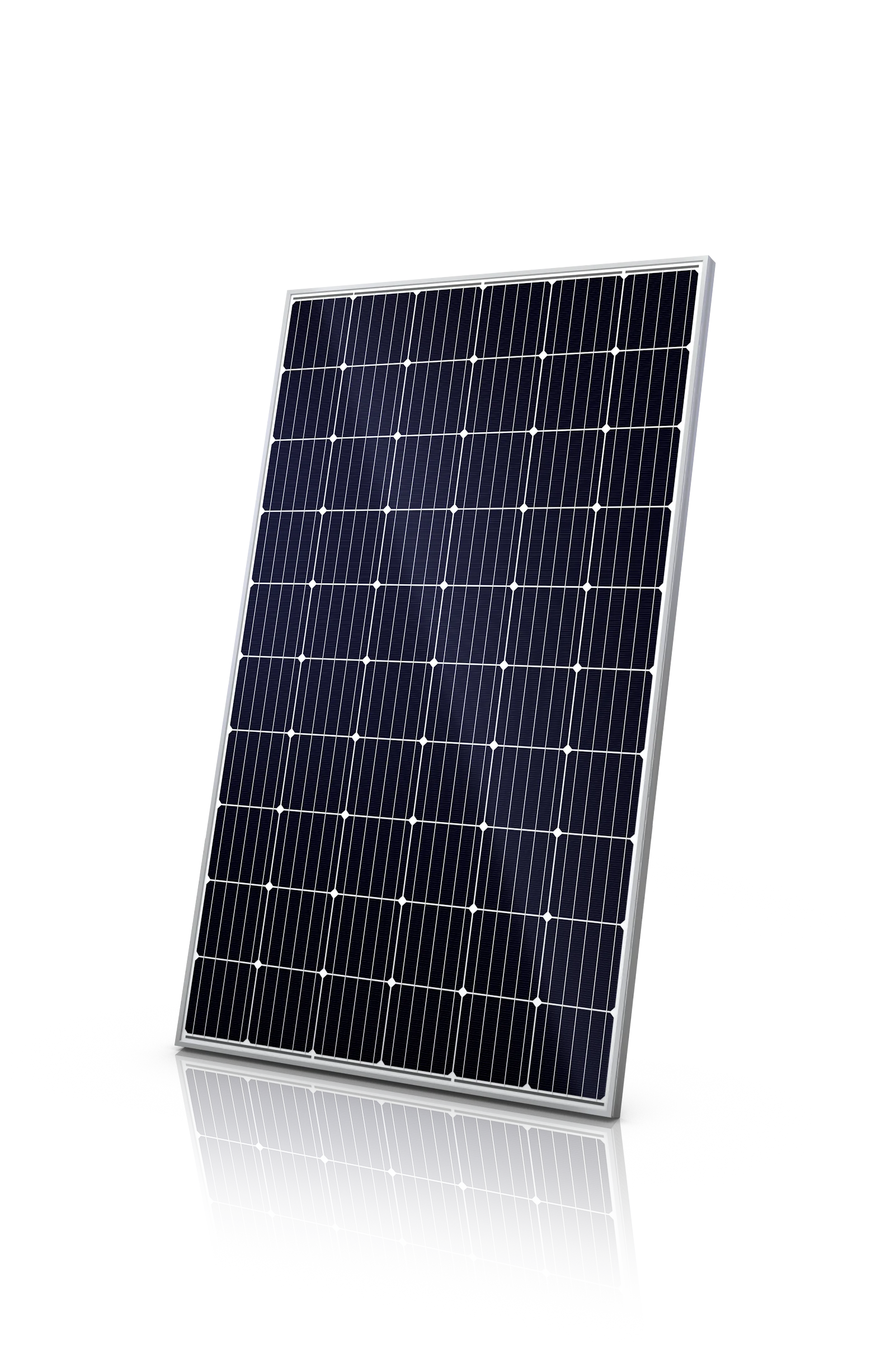
Introduction Photovoltaic (PV) cells are the core technology that turns sunlight into usable electricity for homes, businesses, and utilities. Understanding the basics—how a cell produces current, how cells are assembled into panels, and what affects performance—helps homeowners choose the right system and set realistic expectations for energy yield and maintenance.
A photovoltaic cell converts light to electricity through the photovoltaic effect. When photons from sunlight strike a semiconductor (most commonly silicon), they transfer energy to electrons, freeing them from atoms. An internal electric field created by a p-n junction (a layer with extra electrons and a layer with extra holes) drives these free electrons into an external circuit as direct current (DC). This process is the fundamental reason a solar cell produces electricity whenever it receives light.
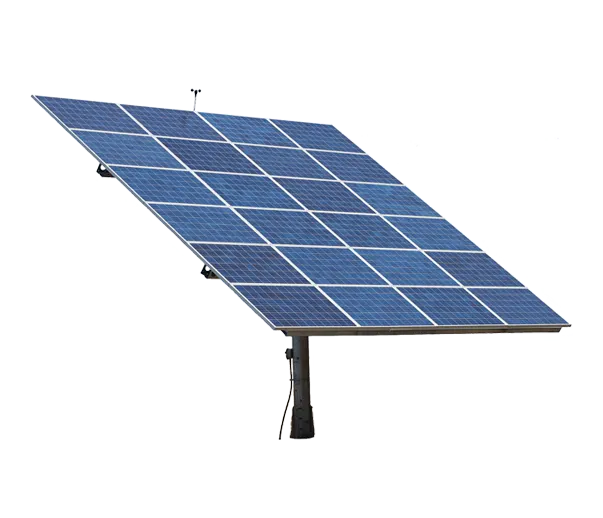
Cells are wired in series and parallel to create modules with the target voltage and current; multiple modules are then mounted into arrays sized for the desired system output.
A properly sized inverter and BOS (balance-of-system) components are essential to deliver the expected energy from PV modules under real-world conditions.
Key factors that affect how much electricity a PV system produces in practice:
Modeling expected yearly yield using local irradiance data and realistic losses gives a more accurate ROI picture than simple nameplate calculations.
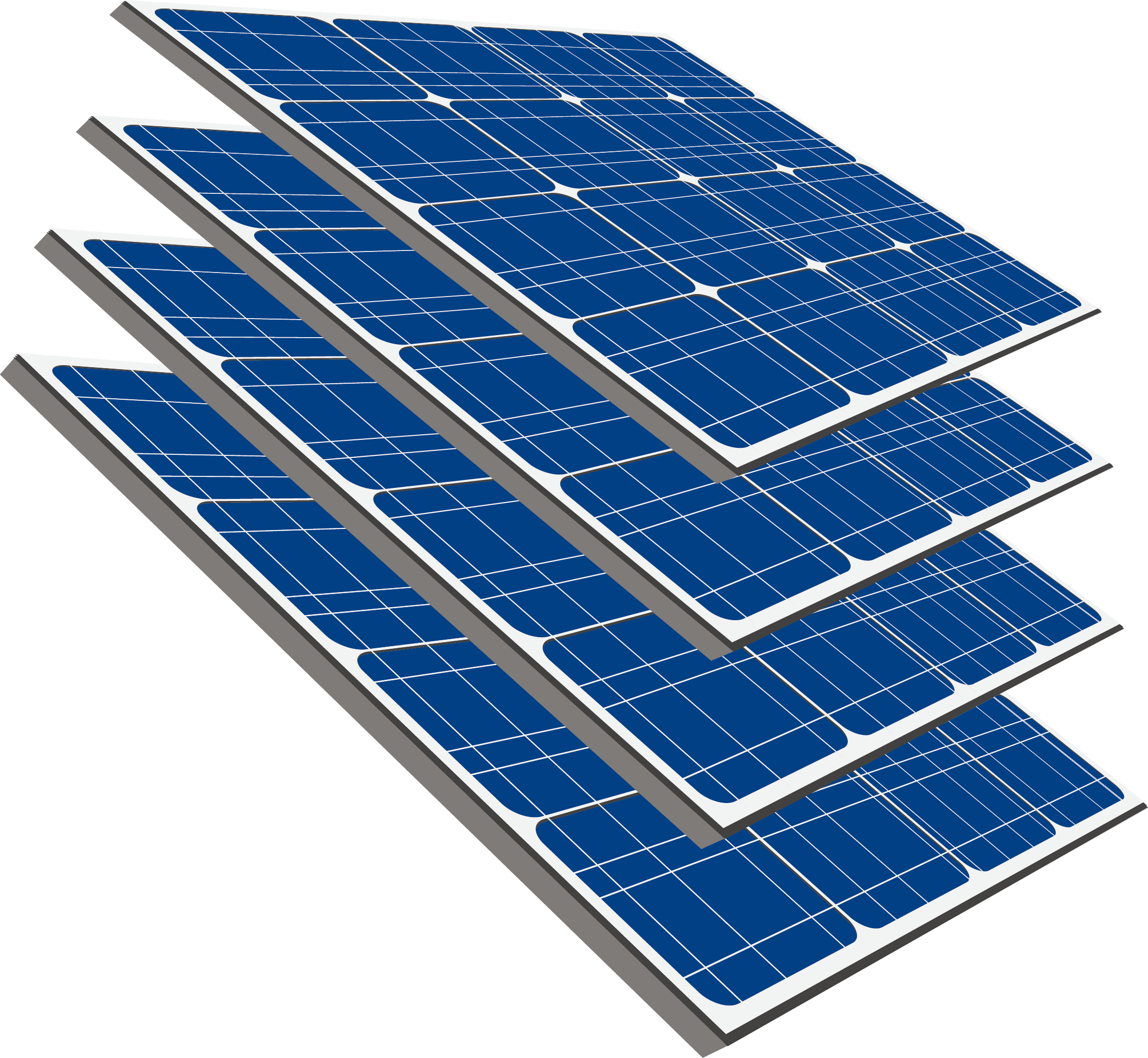
PV modules require minimal maintenance—periodic cleaning, monitoring for faults, and inspections of mounting and wiring. Modern panels typically deliver useful production for 25+ years. Emerging trends include higher-efficiency cell architectures (PERC, bifacial, tandem), thinner and lighter modules, and recycling programs to improve lifecycle sustainability
 Shubham Kumar
May 21, 2025
 Shubham Kumar
May 20, 2025
 Shubham Kumar
May 04, 2025
 Shubham Kumar
Apr 30, 2025
 Shubham Kumar
May 09, 2025


By clicking the button, you are agreeing with our Term & Conditions