
Choosing the right module type affects energy yield, space needs, and long-term returns. This guide compares monocrystalline and polycrystalline panels across the practical attributes homeowners and installers care about.
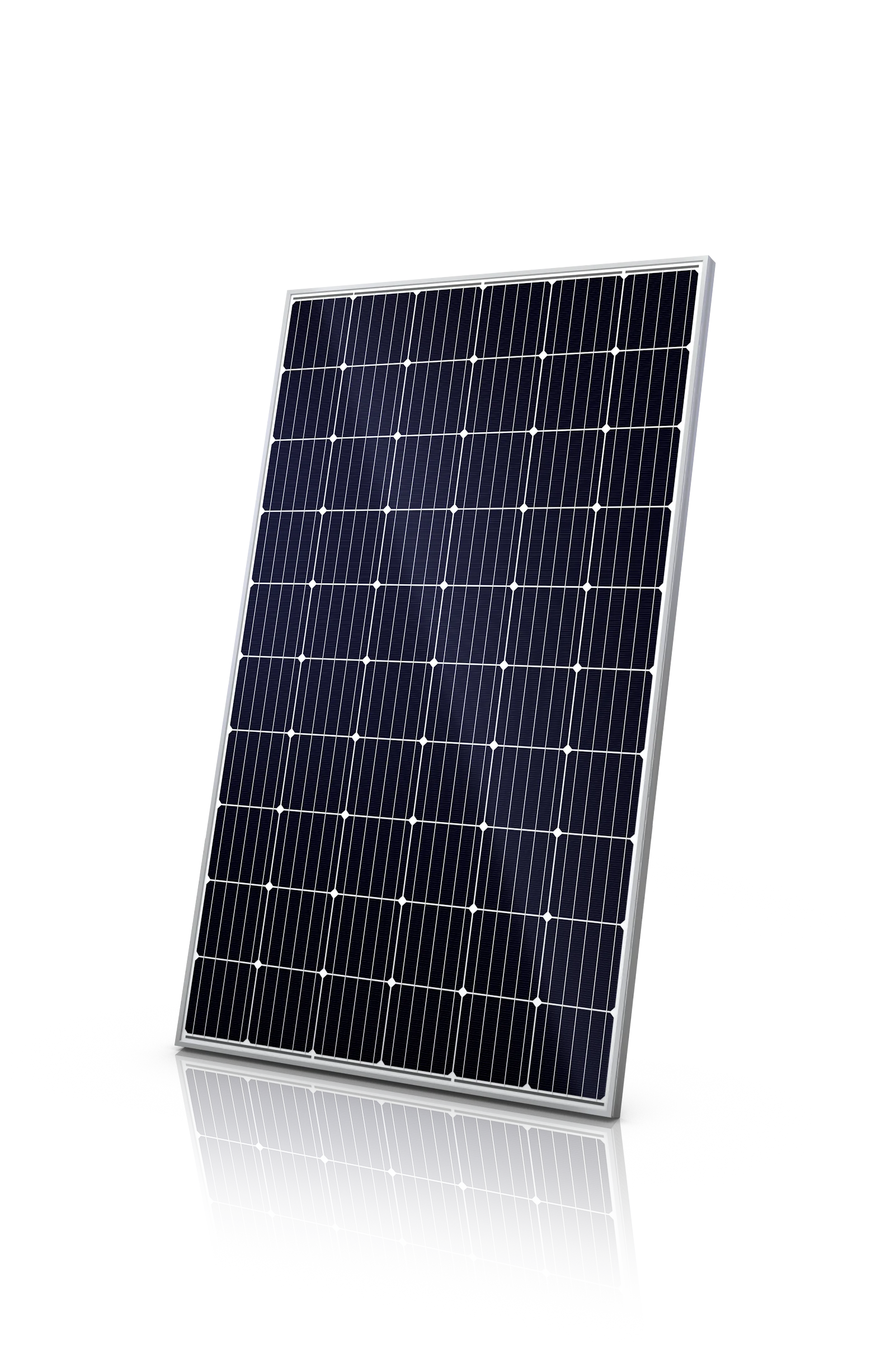
Introduction Choosing the right module type affects energy yield, space needs, and long-term returns. This guide compares monocrystalline and polycrystalline panels across the practical attributes homeowners and installers care about.
| Attribute | Monocrystalline | Polycrystalline |
|---|---|---|
| Typical efficiency | 19–22.5% | 15–17% |
| Appearance | Uniform black | Blue speckled |
| Space requirement | Lower area per kW | Higher area per kW |
| Temperature performance | Better (lower coefficient) | Slightly worse |
| Degradation rate | ~0.5%/year | ~0.8%/year |
| Typical use case | Rooftops, space-constrained sites | Large-area, budget projects |
Monocrystalline modules (including modern half-cut and PERC cells) deliver substantially higher efficiencies than polycrystalline, meaning more energy from the same rooftop footprint — a critical factor for urban homes with limited area.
Polycrystalline panels typically have a lower upfront price per watt, but their lower efficiency means higher area and potentially higher BOS (balance-of-system) costs for the same output. Evaluate true cost per kWh rather than module price alone when comparing solar panel prices.
Monocrystalline cells tend to have a better temperature coefficient and superior low-light performance, which helps in hot and partly cloudy climates. This makes monocrystalline a practical choice across diverse Indian climates.
Long-term degradation differences matter for lifetime energy yield. Monocrystalline modules generally exhibit slower degradation (~0.5%/year) compared to polycrystalline modules (~0.8%/year), resulting in improved 20–25 year output and ROI.
Industry adoption has shifted strongly toward monocrystalline technology because of higher efficiencies and improved costs; polycrystalline is increasingly being phased out for new residential installations.

 Shubham Kumar
May 21, 2025
 Shubham Kumar
May 20, 2025
 Shubham Kumar
May 04, 2025
 Shubham Kumar
Apr 30, 2025
 Shubham Kumar
May 09, 2025


By clicking the button, you are agreeing with our Term & Conditions