🌍 Empowering Change: How Individuals Can Support Solar Initiatives
Nov 13, 2025
11 mins read
Solar energy is not just a government or corporate responsibility—it’s a people’s movement. Every individual has the power to accelerate India’s renewable transition by adopting solar solutions, advocating for clean energy, and supporting community projects.
Business
🌍 Empowering Change: How Individuals Can Support Solar Initiatives
Solar energy is not just a government or corporate responsibility—it’s a people’s movement. Every individual has the power to accelerate India’s renewable transition by adopting solar solutions, advocating for clean energy, and supporting community projects.
💡 Practical Ways Individuals Can Support Solar
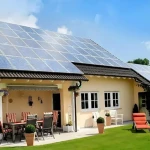
- Adopt Rooftop Solar: Install panels at home to reduce bills and carbon footprint.
- Join Community Solar Projects: Participate in shared solar farms or cooperatives, especially in urban apartments.
- Advocate for Policy: Support net metering, subsidies, and renewable-friendly regulations by engaging with local representatives.
- Invest in Solar Startups: Crowdfund or invest in innovative solar companies and microgrid solutions.
- Educate and Influence: Spread awareness in schools, workplaces, and on social media about solar benefits.
- Choose Solar-Powered Products: From lanterns to water heaters, small switches add up to a big impact.
🇮🇳 India’s Context
- India aims for 500 GW renewable capacity by 2030, with solar as the backbone.
- Schemes like PM Surya Ghar provide subsidies for rooftop solar adoption.
- NGOs and startups are deploying solar microgrids in rural Bihar, Rajasthan, and Maharashtra, empowering villages with clean electricity.
📈 Benefits of Individual Action
- Economic: Lower electricity bills and long-term savings.
- Social: Empower rural communities through shared solar projects.
- Environmental: Reduced carbon emissions and cleaner air.
- Inspirational: Creates ripple effects—neighbors, colleagues, and communities follow suit.
Direct ways to adopt solar
- Rooftop installation: Get a site assessment, compare EPCs, and choose quality modules/inverters with solid warranties; leverage available subsidies to reduce upfront cost.
- Community solar membership: Join or co‑create shared arrays for apartments or societies where private rooftops aren’t feasible.
- Solar appliances: Use solar water heaters, garden lights, and DC fans to lower grid reliance without a full installation.
- Battery-ready planning: Pick hybrid inverters or battery‑compatible systems to add storage later for outages and peak‑tariff savings.
Influence your local ecosystem
- Resident welfare associations: Propose society‑level solar for common loads (lifts, lighting, pumps) and present payback with maintenance plans.
- Schools and NGOs: Sponsor small rooftop systems or run student workshops on energy literacy and basic PV safety.
- Workplace initiatives: Advocate CSR-backed installs for clinics, shelters, and rural microgrids; help draft simple impact reports.
🚧 Challenges
- Upfront Costs: Even with subsidies, affordability remains a barrier for some households.
- Awareness Gaps: Many individuals are unaware of available schemes and financing options.
- Technical Support: Reliable installers and after-sales service are crucial for adoption.