Building a Solar-Powered Garden
Oct 29, 2025
15 mins read
A solar-powered garden adds ambience, cuts energy costs, and supports sustainable living. Whether you want pathway lighting, a fountain, automated irrigation, or an outdoor charging point, a small PV system tailored to garden loads brings reliability without major grid changes.
Business
Building a Solar-Powered Garden
A solar-powered garden adds ambience, cuts energy costs, and supports sustainable living. Whether you want pathway lighting, a fountain, automated irrigation, or an outdoor charging point, a small PV system tailored to garden loads brings reliability without major grid changes.
Plan Your Garden Loads and Goals
- List loads: LED lights (W), water pump (W), timed irrigation valves (W), sensors, and USB chargers.
- Estimate daily use: hours per night for lights; run-time per day for pump and irrigation.
- Set priorities: backup for critical loads (pump) vs. convenience loads (decorative lights).
System Components and Sizing
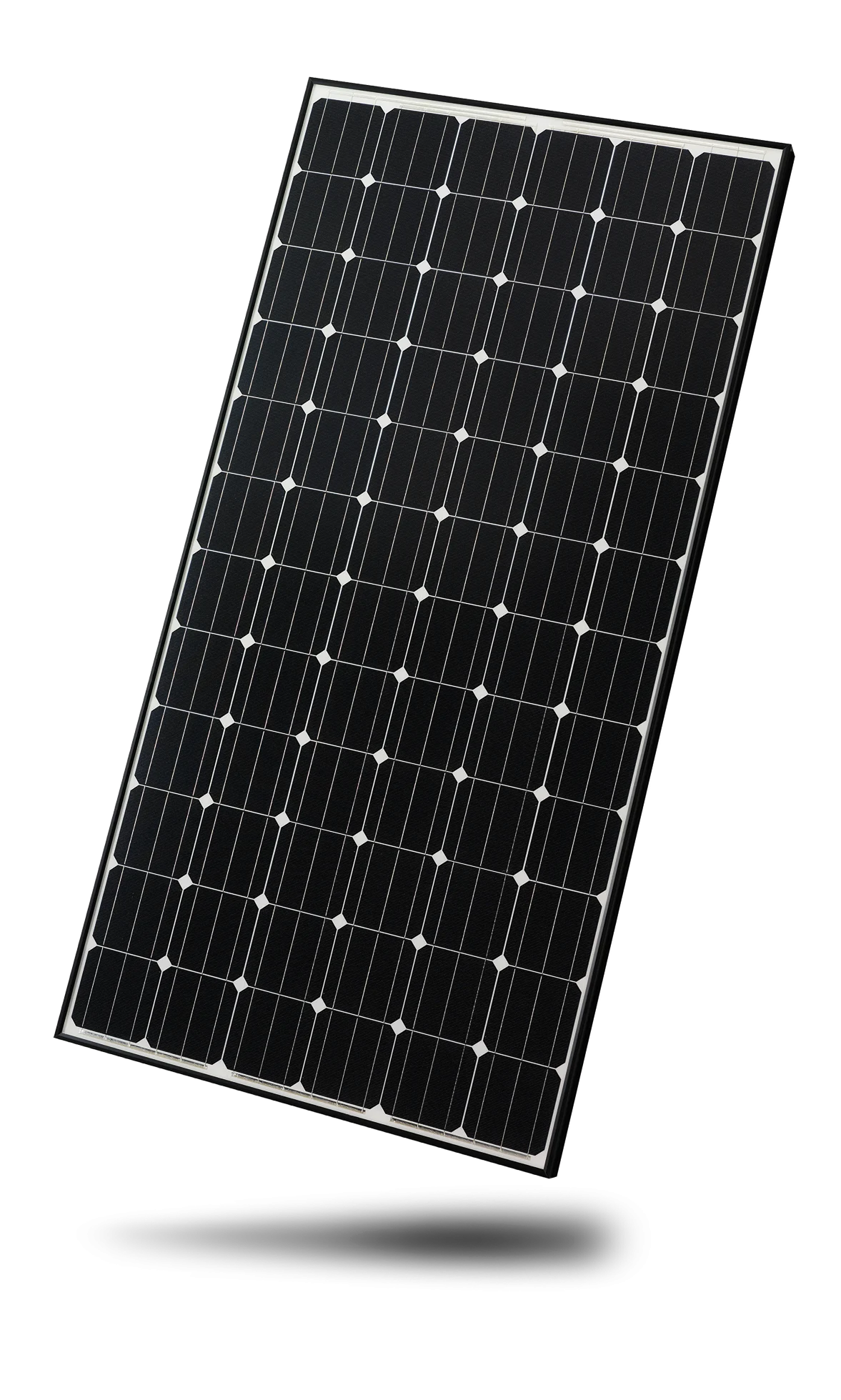
- Solar PV modules: choose small panels (e.g., 50–300 W) sized to daily energy demand and roof/ground space.
- Charge controller: MPPT preferred for better yield with changing light and temperature.
- Battery: size in Wh = daily load × days of autonomy; choose deep-cycle Li-ion or lead-acid rated for cycle use if backup is required.
- Inverter: only if you need AC loads; a small pure-sine inverter (300–1500 W) is usually sufficient for garden pumps and lighting.
- Balance of system: cables, fuses, isolators, mounts, weatherproof enclosures, and monitoring.
Design Tips: Placement, Tilt, and Mounting
Panel placement: south-facing (northern hemisphere) with minimal morning/evening shade; use ground mounts or small tilt frames if roof space is limited.
- Tilt: near local latitude for year-round performance; a flatter tilt can favor summer output for garden use.
- Modular approach: use separate small arrays for lighting vs. pumps to simplify control and troubleshooting.
- Aesthetics: integrate panels into pergolas, shade sails, or decorative frames to keep the garden visually pleasing.
Component Selection and Installation Best Practices
- Choose quality: pick panels and batteries with clear warranties and certifications; prefer MPPT controllers for small systems.
- Waterproofing: use IP65+-rated enclosures for controllers and junctions; elevate batteries away from ground moisture.
- Cable sizing and protection: Use an appropriate gauge to limit voltage drop; fit DC fuses and isolators for safety.
- Lockable/secure mounting: prevent theft or accidental damage—choose tamper-resistant fixes for exposed hardware.
- Permits and local rules: check local regulations if you plan a larger array or grid-tied installation, and follow safe earthing and lightning protection practices.
Smart Controls, Monitoring, and Automation
- Timers and sensors: photosensors for dusk-to-dawn lights and flow or pressure sensors for pump automation.
- IoT and remote control: Wi-Fi or LoRa controllers let you schedule irrigation, monitor battery state-of-charge, and receive alerts.
- Load prioritization: set lighting as non-critical and pump/valve control as high-priority to reserve battery capacity for essential functions.
Maintenance and Seasonal Care
- Cleaning: wipe panels seasonally or when visibly soiled; more often in dusty or pollen-heavy locations.
- Battery care: monitor voltages and temperature; follow manufacturer charging rules and ventilation needs.
- Vegetation management: trim trees and shrubs to prevent new shading and leaf litter on panels.
- Annual check: inspect mounts, seals, wiring, controller logs, and inverter health; test alarms and isolate circuits safely before work.
Cost-Saving and Scaling Ideas
- Start small: begin with solar garden lights and a small pump, then expand panels and battery as needs grow.
- Use efficient loads: choose high-lumen-per-watt LEDs and efficient brushless pumps to reduce array and battery size.
- Hybrid options: tie into existing rooftop solar panels for homes or local grid power if you want guaranteed runtime without oversizing batteries.
- DIY vs professional: Small decorative projects can be DIY-friendly; for grid-tied or larger pump systems, use certified installers for safe solar panel installation.
Quick Checklist Before You Start
- Calculate daily energy needs and desired autonomy.
- Pick panel(s), MPPT controller, battery capacity, and inverter matching calculated loads.
- Plan mounting, wiring routes, and waterproof enclosures.
- Add sensors/timers and monitoring for smarter operation.
- Schedule initial commissioning and a yearly maintenance inspection.

 Shubham Kumar