
A solar technician keeps solar projects running from sunrise to dusk—balancing fieldwork, diagnostics, and safety. Their day combines hands-on installation and maintenance with data-driven troubleshooting to protect performance and keep warranties valid.

A solar technician keeps solar projects running from sunrise to dusk—balancing fieldwork, diagnostics, and safety. Their day combines hands-on installation and maintenance with data-driven troubleshooting to protect performance and keep warranties valid.
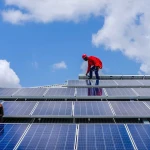
Most solar technicians begin their day with a team briefing. They review installation plans, safety protocols, and client requirements. For rooftop solar panel installation, they check mounting hardware, inverter specs, and weather conditions.
Technicians mount panels using pre-approved layouts, ensuring correct tilt and orientation. They connect DC wiring from modules to the inverter and AC wiring to the grid or battery system.
Once installed, technicians test the system using mobile apps or inverter displays. They check voltage, current, and power output against expected values. If issues arise, they troubleshoot:
Common faults: inverter errors, shading losses, wiring mismatches, or low battery charge.
Fixes: rebooting inverters, replacing connectors, or adjusting panel alignment.
For existing systems, technicians perform cleaning, visual inspections, and firmware updates. They educate clients on monitoring apps, cleaning schedules, and basic troubleshooting.
Technicians coordinate with engineers, project managers, and clients. They document installations, log faults, and submit reports for warranty or compliance.
After packing up, technicians often debrief with their team, sharing learnings and planning for the next site. Their work directly contributes to India’s solar mission and empowers homes with clean energy.
 Shubham Kumar
May 21, 2025
 Shubham Kumar
May 20, 2025
 Shubham Kumar
May 04, 2025
 Shubham Kumar
Apr 30, 2025
 Shubham Kumar
May 09, 2025


By clicking the button, you are agreeing with our Term & Conditions