
Misinformation slows adoption, increases hesitation, and hides the real savings and environmental benefits of solar energy. This post debunks the most common solar myths you’ll hear in India and worldwide, giving clear facts you can use when planning rooftop or ground-mounted solar systems.
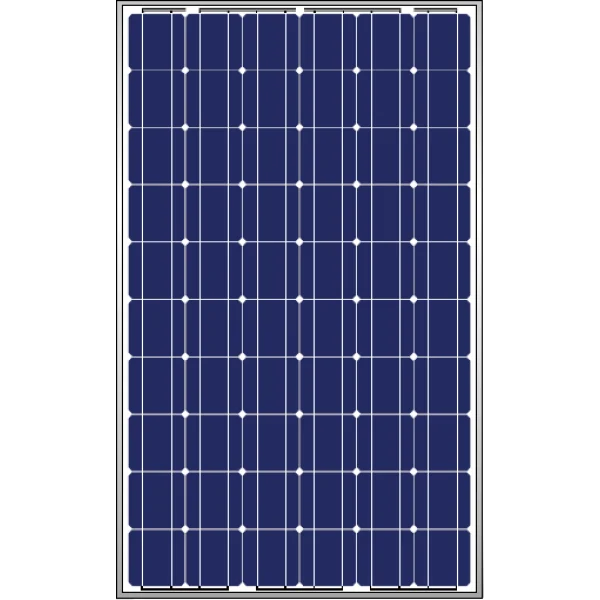
Introduction: Why Busting Solar Myths Matters Misinformation slows adoption, increases hesitation, and hides the real savings and environmental benefits of solar energy. This post debunks the most common solar myths you’ll hear in India and worldwide, giving clear facts you can use when planning rooftop or ground-mounted solar systems.
Fact: Solar panels produce electricity from both direct and diffuse sunlight, so they still generate power on cloudy or rainy days; output is lower than on sunny days, but modern panels remain effective in varied weather.
Fact: Upfront costs have fallen significantly, subsidies and net metering improve payback, and lifetime cost per kWh for rooftop solar is often lower than traditional grid tariffs; treated as a long-term investment, solar delivers strong savings.
Fact: Quality solar modules are built for decades of outdoor exposure and need minimal maintenance—periodic cleaning and an annual check of mounting, wiring, and inverters are usually sufficient.
Fact: While manufacturing has an environmental footprint, modern manufacturing and recycling practices reduce life-cycle impacts; solar delivers net carbon reductions over its operational life, offsetting initial emissions many times over.
Fact: Standard grid-tied systems shut down during outages for safety unless paired with battery storage or hybrid inverters that provide backup power; adding storage transforms rooftop solar into a reliable backup source.
Fact: Solar performance depends on irradiance, not temperature; many high-latitude and cloudy regions generate substantial solar energy using modern panels optimized for diffuse light.

 Shubham Kumar
May 21, 2025
 Shubham Kumar
May 20, 2025
 Shubham Kumar
May 04, 2025
 Shubham Kumar
Apr 30, 2025
 Shubham Kumar
May 09, 2025


By clicking the button, you are agreeing with our Term & Conditions