
India’s solar revolution is not just about powering homes—it’s about protecting habitats. As the country expands its renewable energy footprint, solar energy is playing a surprising role in wildlife conservation. From solar-powered water pumps in tiger reserves to careful planning of solar parks in sensitive ecosystems, the synergy between clean energy and biodiversity is shaping a greener, more
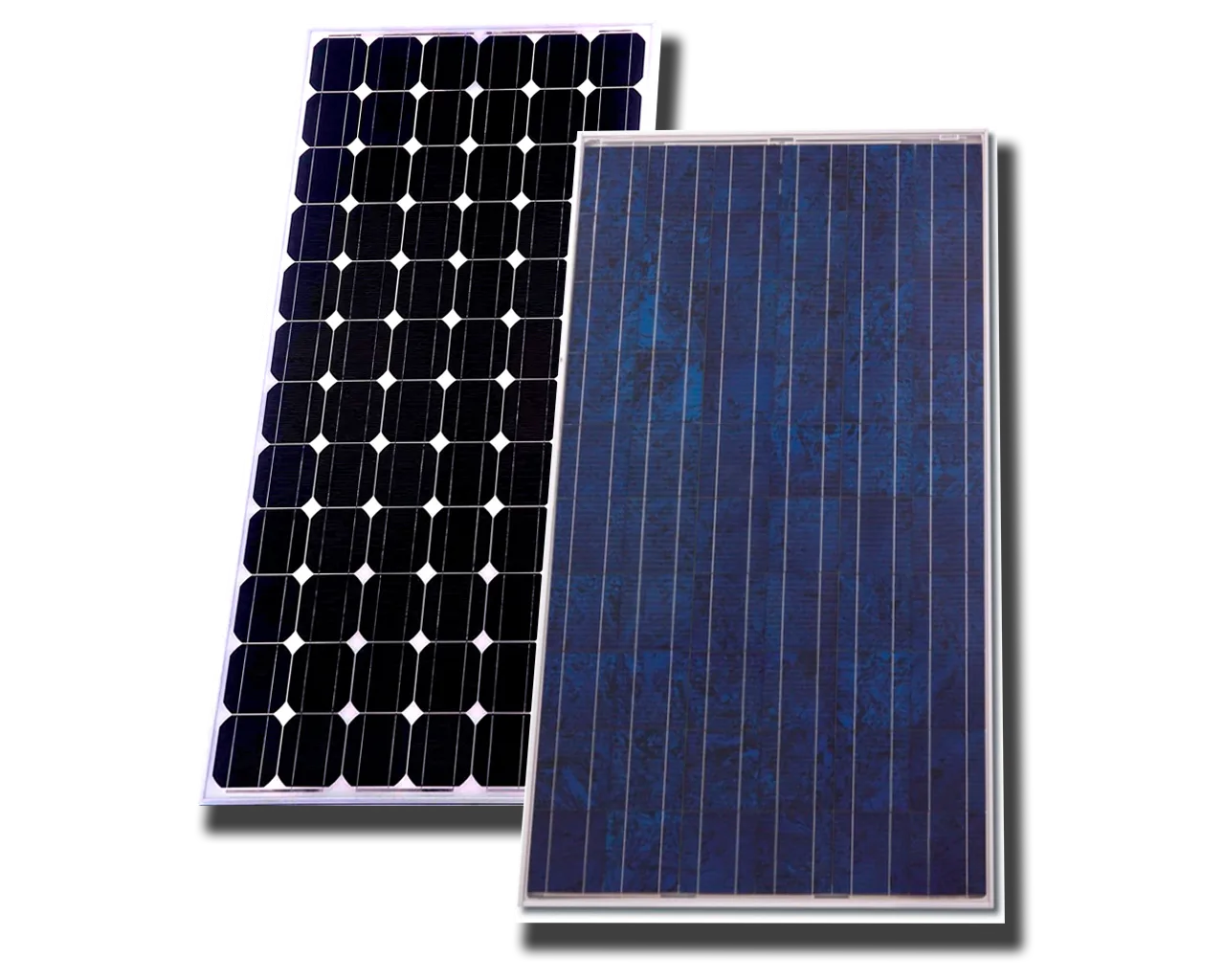
Introduction: Clean Energy at Scale As India races towards its renewable energy goals, solar farms are emerging as powerful tools for environmental transformation. These large-scale installations harness sunlight to generate electricity—without burning fossil fuels, emitting greenhouse gases, or polluting water. From deserts to reservoirs, solar farms are reshaping India’s energy landscape while protecting the planet.
In Kanha Tiger Reserve, a tigress struggling for water inspired a movement. Dr. Sarita and PV Subramanian, founders of Earth Brigade Foundation, installed solar-powered pumps to restore waterholes across reserves—helping animals survive scorching summers and reducing human-wildlife conflict.
In the Trans-Himalayan region, researchers found that proposed solar parks overlapped with prime habitats of the snow leopard. By applying the mitigation hierarchy (avoid > minimise > remediate > offset), planners can balance energy goals with conservation.
Solar farms produce zero emissions, improving air quality and reducing climate stress on fragile ecosystems. Unlike coal plants, they don’t pollute water or soil—making them ideal near protected areas.
That’s why data-driven site selection and community engagement are essential for sustainable solar expansion.
India’s top solar panel manufacturers are increasingly aware of their environmental footprint:
| Company | Conservation-Friendly Practices |
|---|---|
| Waaree Energies | Promotes agri-solar and dual-use land |
| Adani Solar | Engaged in floating solar to reduce land use |
| Tata Power Solar | Supports smart grid + conservation projects |
| Vikram Solar | Invests in R&D for low-impact installations |
These innovations blend solar panel installation with conservation tech—creating win-win solutions.
 Shubham Kumar
May 21, 2025
 Shubham Kumar
May 20, 2025
 Shubham Kumar
May 04, 2025
 Shubham Kumar
Apr 30, 2025
 Shubham Kumar
May 09, 2025


By clicking the button, you are agreeing with our Term & Conditions